Author: brewadmin

What’s that rancid smell?

What’s that rancid smell?

Rancid Smell? Don’t Just Mask It—Eliminate the Source

If you notice a rancid smell lingering persistently indoors in your home or business, it’s often a sign that rodents or other animals have passed away nearby. Masking the odor with sprays or candles won’t work. The key to solving the problem is eliminating the source with a non-toxic solution safe for restaurants, offices, homes, medical facilities, and more.

Sometimes, a rancid smell may come from areas you can’t see, like inside walls or crawl spaces. A large fly infestation, especially flesh flies, is another sign that an animal may have died. Common culprits include mice, rats, squirrels, opossums, and raccoons. Left unchecked, the odor can quickly affect your family’s well-being or disrupt your business operations.

How Long Does a Rancid Smell Last?

The scent from a dead animal can persist from a day or two up to a month or more. Nobody wants to live or work in this. At The Bug Man, we use professional equipment to eliminate rancid smells caused by dead animals, smoke, or fire. Our Odor Neutralizer is safe, effective, and works without evacuating your home or business.

For more information about health risks associated with dead animals, check out the CDC guide on rodent control and sanitation.

Preventing Rancid Smells in the Future

The best way to avoid rancid smells is proactive pest and rodent control. Ensuring your property is free of pests and regularly inspecting hidden areas like attics, crawl spaces, and walls can prevent future stench issues. Licensed professionals can also help seal entry points and maintain a pest-free environment.

If you notice a rancid smell in your home or business, call The Bug Man at 225-923-2847 or contact us here. We’ll handle the source and the odor so you don’t have to.

Do I Need to Worry About Rodents Around My Home or Business?

Rodent infestation in home or business

Now that the weather is beginning to get cooler, signs of a rodent infestation may appear as rodents search for a warm place to stay. These pests are nothing to scoff at – they can carry diseases, and their fur, saliva, and waste can taint your food.

That’s not all; rodents are also hosts for fleas, spreading diseases like the lymphocytic choriomeningitis virus. And if you or someone you know has a weakened immune system, chances are they or you may begin to experience headaches, fever and meningitis. Rodents can carry diseases and contaminate food. For more information on preventing a rodent infestation, see the CDC guide on rodent control.

How long do rodents live?

If they are in welcoming conditions, such as your home, garage or attic, mice and rats can live up to one year. If they’re in their natural habitat, they usually live up to around 4-6 months. While a couple of unwelcome guests may not seem so bad for a short amount of time, consider this – A house mouse can have an average of 8 litters per year with an average of 6 babies per litter. That’s 48 mice per year per rodent! Think if you had multiple in your home!

How do rodent infestations start?

If you’re wondering what one of the most adaptable animals is on the planet, look no further than the common rodent. If not addressed early, infestations can cause quite a bit of damage to buildings and agriculture and can transmit diseases to humans. Mice enter homes or businesses through cracks and holes found in the floors, walls and foundations. Mice can also enter the home through gaps in the windows as well as sewer lines. Homeowners don’t typically recognize mouse holes until other signs of infestation appear.

Preventing a Rodent Infestation: Tips and Strategies

All cracks, openings, and holes need to be sealed with cement or metal to prevent mice from entering the home. All of your doors and windows need to close correctly and you need to store your food in glass or metal containers. Make sure the lids can seal tightly, and never leave food out. But if you do, you should give The Bug Man a call. Our professionals have over 40 years of experience helping families and businesses eliminate these pests. Don’t let another day go without protecting your friends and family.

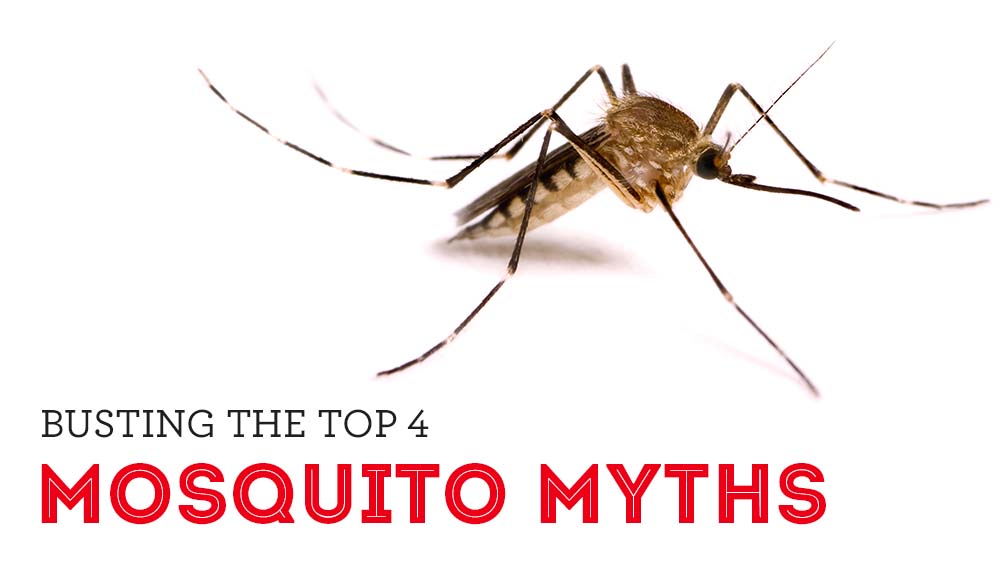
Busting the Top 4 Mosquito Myths

Busting the Top 4 Mosquito Myths | The Bug Man

While the mosquito is no stranger to Louisianans, how well do you know these all-too-familiar fun suckers? Understanding mosquito prevention is crucial, and there’s a swarm of information available on what attracts them, how to stop them, and why they behave the way they do. But how do you decipher an old wives’ tale from actual science? Let’s break down a few of the most commonly-circulated myths about the unofficial state bird of Louisiana…

Myth #1: “Mosquitoes are more attracted to sweet blood.”

No matter your sunny disposition or the amount of sugary treats you consume, tasting “sweet” isn’t really a thing. Mosquitoes are, however, drawn to certain odors your body emits, like heat from your movement, the carbon dioxide in your breath and the lactic acid your skin secretes. In fact, scientific studies show that people with Type O blood were twice as likely to be bitten than people with Type A blood because they expel more lactic acid than others.

Myth #2: “Mosquitoes rely on blood to survive.”– Why Mosquito Prevention Matters

Male mosquitoes couldn’t care less about blood. Females feed on it out of natural primal instinct – they only need its nutrients to produce eggs. But for humans, because most mosquitos are continuously breeding, it feels as though the vicious blood-sucking never stops. While blood is a female-exclusive feast, both male and female mosquitoes run (or fly) on nectar to fuel their everyday activities.

Myth #3: “Eating certain foods can act as a natural mosquito repellent.” – Mosquito Prevention Myths Debunked

While eating a large amount of garlic may cause your date to flee in the other direction, it doesn’t do much to deter mosquitoes. Research shows that while consuming foods like onions, beans, grapefruit or peppers can potentially help to mask the natural smells your body emits, it isn’t exactly fool-proof. Experts suggest using a bug spray that contains DEET (with a concentration of 50% or less) and wearing pants and long sleeves to best protect yourself from these mini vampires. Learn more about preventing mosquito bites in this CDC guide.

Myth #4: “You don’t have to worry about getting a disease from mosquitoes in the U.S.”

While the risk has been greatly reduced over the years, we’re not completely out of the woods. There are over 200 types of mosquitoes in the United States, and the CDC reports about 12 of them spread germs that can cause severe illnesses, like West Nile, Zika and more. If you have recently been bitten by mosquitoes and you are experiencing fever, a rash, joint and muscle pain, headache and nausea, please seek out medical treatment as soon as possible.

Now that you have a little more insight into how these little itch-inducing pests act, there’s no time like the present to learn about how you can safeguard your property from housing them in the first place. Contact The Bug Man at (225) 923-2847 today for a tailored treatment plan, specific to your site’s needs.

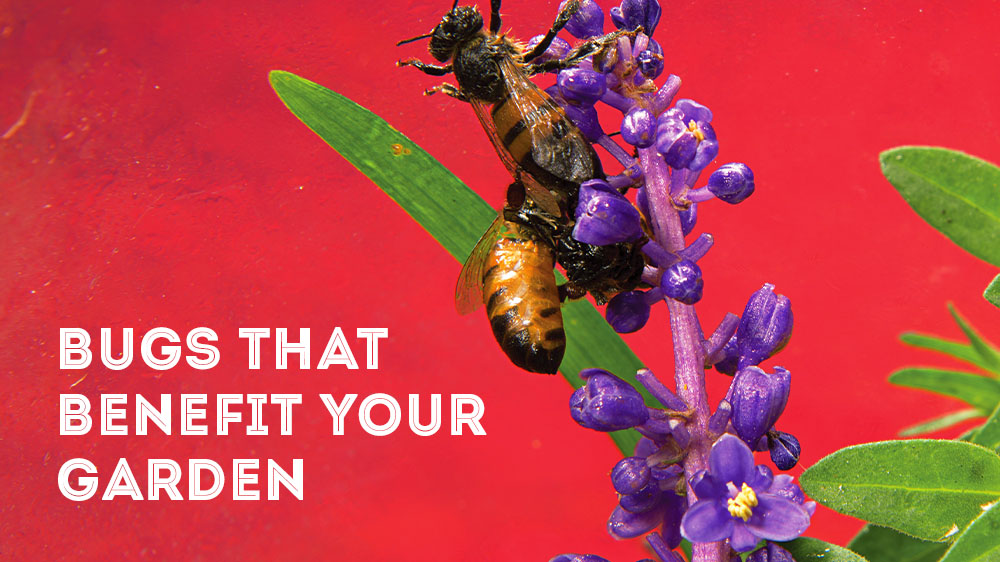
Bugs That Benefit Your Garden

beneficial garden insects

Beneficial garden insects play an important role in keeping your garden healthy. These “good bugs” help by eating pest insects that can damage plants, pollinating flowers, and controlling harmful species. In your backyard, most insects are either harmless or beneficial, and they generally fall into three main categories:

  1. Predators: They eliminate pests by eating them.
  2. Pollinators: We depend on these insects to pollinate our garden flowers.
  3. Parasitizers: Like predators, they prey on other insects, but in a different way. They lay their eggs on or in the bad bugs, and when the eggs hatch, the larvae feed on the hosts.

For more information about insects and pollinators, see the USDA guide on insects and pollinators.

Beneficial Garden Insects

To introduce you to some of the most helpful insects, we’ve created a list of the top predators, pollinators, and parasitizers for your garden.

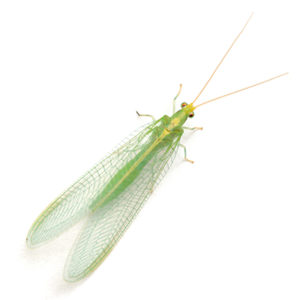
Green Lacewings: Beneficial Garden Insects That Prey on Aphids

beneficial garden insects Green-Lacewings

These beneficial bugs feed on nectar and pollen, but their larvae prey on pests like aphids and caterpillars.

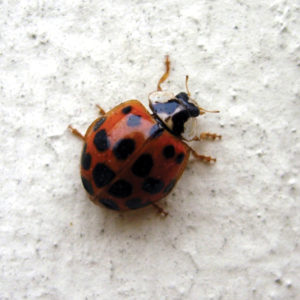
Ladybugs: Beneficial Garden Insects That Protect Your Plants

beneficial garden insects Ladybug

You may think of them as harmless or even cute, but did you know these little guys are fierce. As they start in life, they cruise around feasting on aphids. In fact, ladybug larvae can eat up to 40 aphids an hour.

Spiders: Natural Pest Controllers for Your Garden

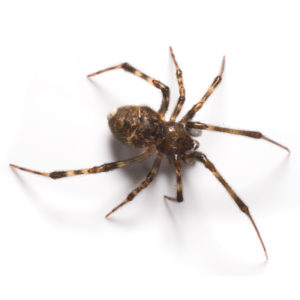
Bugs that benefit your garden- Spider

Not everyone’s favorite arachnid (that’s right, it’s technically not an insect), but spiders are great pest controllers. They are attracted by movement and eat many live insects and are great at keeping pests under control.

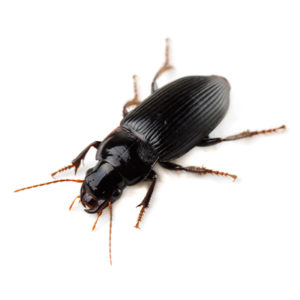
Ground Beetles: Insects That Eat Harmful Pests

beneficial garden insects- Ground-Beetles

Both beneficial as larvae or as adults, ground beetles will eat a wide range of insects, including caterpillars, slugs, silverfish, thrips and nematodes. 

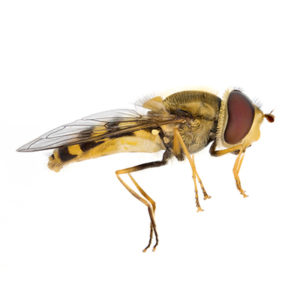
Hoverflies: Beneficial Garden Insects That Pollinate Your Yard

Bugs that benefit your garden- Hoverflies

These beneficial bugs look like tiny Yellowjackets, but they don’t have a stinger. They feed on pollen and nectar and extremely important pollinators. Their larvae are ferocious predators as well. They will kill aphids, caterpillars, beetles and thrips.

We’ve only touched on a few beneficial bugs for your garden, and like all living creatures, they have a basic need for food, water and shelter. By providing these things, your garden will become an inviting home for them. 


The Bug Man knows all things bugs; if you need advice or assistance attracting good bugs or getting rid of the bad ones, give us a call or schedule a professional pest control service today.

Growing for the Better

The Bug Man Expands Pest Control Services in Baton Rouge

The Bug Man Expands Pest Control Services in Baton Rouge

The Bug Man Expands its mission to protect homes and businesses from pests with exciting new acquisitions. Our goal has always been to bring leading pest control services to as many people as possible, ensuring no one is left unprotected. By acquiring two additional companies, we are taking a significant step forward in providing expert pest management throughout Baton Rouge.

The Bug Man Expands Through Acquisitions

We are proud to announce the acquisition of Witt’s Pest Control and X-Pert Pest Control, both family-owned businesses with decades of experience. These companies share our values of exceptional customer service, integrity, and a commitment to keeping homes and businesses safe from unwanted pests.

What This Expansion Means for Our Customers

With The Bug Man expansion, customers can expect:

  • Access to a wider range of pest control services

  • A combined 300+ years of experience in protecting homes and businesses

  • Continued focus on safety, professionalism, and responsive customer care

By integrating these companies into The Bug Man family, we are not only expanding our service area but also bringing together the expertise and knowledge necessary to tackle even the toughest pest problems.

Serving More Homes and Businesses in Baton Rouge

The Bug Man expands operations to better meet the growing demand for pest control. Our team is ready to help with termites, bed bugs, rodents, and other common pests, ensuring your property stays safe year-round. We continue to invest in technology, training, and environmentally responsible methods to provide the highest quality pest management services.

Get Started with The Bug Man Today

If you want to inquire about our services, expand your existing service plan, or learn more about how The Bug Man can protect you, your family, and your business from unwanted pests, give us a call at 225-923-2847 or visit our contact page.

For additional guidance on public health issues caused by pests, visit the EPA’s resources.

Mosquitoes in Louisiana and How to Treat Them

Mosquitoes in Louisiana

Mosquitoes in Louisiana can be particularly nasty and aggressive, especially with the warm weather rains we get that provide plenty of opportunities for standing water where mosquitoes breed and flourish. We’re here to share a few tips on treating these pesky pests, particularly how to limit their numbers and keep them from biting you. But first, a few sobering facts of why mosquitoes can be more than just a nuisance.  

  • According to the World Health Organization, mosquitoes infect between 330-600 million people a year with Malaria and Dengue, just two of the life-threatening diseases that mosquitoes can carry.
  • Mosquitoes kill more people (over 700,000 per year) than any other animal on the planet by far. The closest in fact would be snakes, they kill around 50,000 people per year. 
  • Over 1 million pets in the U.S. alone are estimated to be infected with heartworms, which are passed along through mosquito bites. The infection rate for dogs over 2 years old is thought to be over 80% in South Louisiana.

Make Your Yard and Land Less Hospitable to Mosquitoes

One way to lessen the amount of mosquitoes on your property is to eliminate areas for them to breed. Female mosquitoes prefer to lay their eggs near stagnant water and can lay anywhere from 100 to 300 eggs at a time. These larvae can hatch within 48 hours. That’s a lot of mosquitoes! Here’s what you can do.

  • Eliminate sources of standing water and dispose of water-holding containers, such as tin cans, plastic containers, ceramic pots, used tires, and tire swings.
  • Pay special attention to discarded tires that may have collected on your property. Stagnant water in tires is a common place for mosquitoes to breed.
  • Drill holes in the bottom of containers such as those used for recycling.
  • Clean clogged roof gutters.
  • Turn over objects that may trap water when not in use, such as buckets, wading pools and wheelbarrows.
  • Change water in bird baths on a weekly basis. Do not allow water to stagnate in birdbaths; aerate ornamental ponds or stock them with fish.
  • Clean and chlorinate swimming pools. When pools are not in use, use pool covers and drain when necessary. Be aware that mosquitoes may even breed in the water that collects on swimming pool covers.
  • Use landscaping to eliminate standing water that collects on your property. Mosquitoes will develop in any puddle that lasts for more than four days.

Fight the Bite!

Mosquitoes feed on blood from humans and other animals, which is why they bite. Use the following measures to help reduce bites from these pests.

  • Be particularly careful at dusk and dawn, when mosquitoes are most active.
  • Wear shoes, socks, long pants and long-sleeved shirts. Clothing material should be tightly woven.
  • Use mosquito netting when sleeping outdoors or for baby strollers.
  • Use mosquito repellent when you are outdoors. Always use according to label instructions. The most effective repellents contain DEET, Picaridin, oil of lemon eucalyptus or IR3535.
  • Always wash treated skin when returning indoors.  Do not apply repellent under clothing, to wounds or irritated skin, the hands of children, or to infants younger than two months old.
  • Be sure your home’s door and window screens are tight fitting and in good repair to avoid mosquitoes entering indoors.

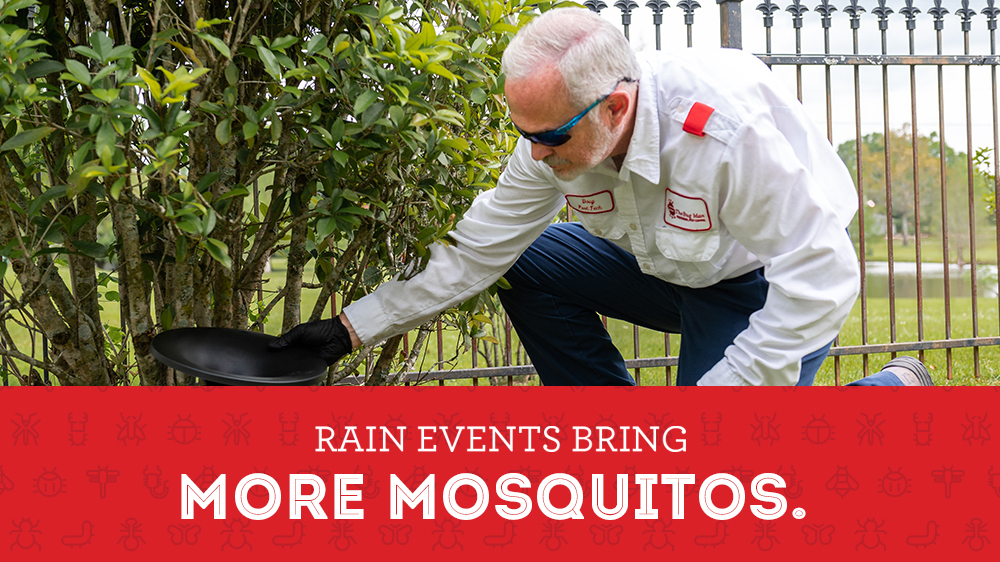
If you are still experiencing mosquitoes on your property, it’s a safe bet you should call a pest control professional. The mosquito treatment plan usually begins with a thorough property inspection and identifying the kind of mosquitoes that are causing problems. Once the inspection and identification are complete, your pest management professional will prepare a mosquito treatment plan best suited for your property, such as mosquito pots, misting systems, or yard fogging.

If you are concerned about a mosquito breeding site in or around your home, consider calling a pest management professional. The Bug Man provides three revolutionary mosquito treatments that don’t just repel mosquitoes, the unit kills them for good! Our newest mosquito program is a great, inexpensive alternative to yard fogging. We place mosquito pots around your yard that sterilize a female mosquito from laying eggs. For an effective mosquito solution, contact The Bug Man and ask about their mosquito services or give us a call at (225) 923-2847.

8 Helpful Tips to Help Protect Your Property From Termites

It’s that time of year again. Yep, you guessed it—time for The Bug Man to come out and inspect for termites.

It’s that time of year again. Yep, you guessed it—time for The Bug Man to come out and inspect for termites. While termites are active year-round, most subterranean termites tend to swarm in the spring and summer months here in Louisiana. However, with all the recent rain and flooding making wood structures a breeding ground for an infestation, it’s never been more important to have your home or business inspected for these pests.

When there is this amount of moisture, termite colonies are constantly looking for new sources of food. It’s essential to take proactive measures to prevent termites from destroying something you try so hard to protect.

Here are some helpful tips to help safeguard your property:

  1. Store firewood away from your home. Place it in a dry area.
  2. Don’t allow water to pool next to the slab or under your home or business. Create ways to help the water drain away.
  3. Trim your tree limbs and vines that may be growing near or on your home.
  4. If you have any leaks in your pipes, roof or outside faucets, have them repaired or replaced.
  5. Repair any rotting wood on the soffit, fascia and exterior wood surfaces.
  6. Clean the gutters on your home and repair any sections that may be damaged.
  7. Make sure to turn off outside lights at night. Consider using yellow bulbs to avoid attracting swarming termites.
  8. Call The Bug Man to get rid of them.

Take a look around your structure and look for mud tubes on slabs, piers, or walls and pinholes in wallboards, softness in flooring or blisters in paint or wallpaper. If you see any of these signs, there’s a good chance you’re dealing with a termite infestation. They can and will destroy if not dealt with in a timely manner. If you need help with your termite problem or to schedule an inspection, give The Bug Man a call at 225-923-2847.

If You Think Floods Are Bad, Wait Until You Hear About Termites.

Recently Flooded? Treat for Moisture and Termites

The recent rain and floods have done an incredible amount of damage to homes and businesses across the state. To magnify the problem, termites look at the amount of moisture around and don’t see a problem but an opportunity to thrive. Pests are survivors.

As many people will be opening up their walls to let their studs dry out, this is a perfect time to not only do a surface repair but also treat for termites. The type of termite that causes the most damage in North America is the subterranean termite. These pests require ample moisture and then add a food source that contacts moist areas of the soil, and there you have it – perfect conditions for an infestation.

Most pests will seek higher ground to get out of floodwaters. Some insects, like fire ants, will float on water to survive. So, one might think that termites might drown in water. Well, the answer to that is “no” as termites have been around for 250 million years and have survived the ice age, natural disasters, and dinosaurs’ extinction. In short, these pests have strategies to survive.

One strategy for survival is in the way termites breathe. Termites have a system of holes (spiracles) along the sides of their bodies. When around bodies of water, they can close their spiracles for extended periods. One study found that they could survive underwater for over 19 hours. If that doesn’t amaze you, then consider this – they can also tread water for up to 4 days.

Flooding causes damp and wet conditions to become attractive to termites. In many cases, wood that is wet for extended periods of time may lead to an above-ground termite infestation as the termites move into the damp wood. If flooding has damaged your foundation or footing, termites can gain access to your structure

If a termite baiting system is installed around a flooded structure and the floodwaters are contaminated with pollutants, the bait matrix can be tainted and compromised in terms of attractiveness to termites. In this situation, the bait and possibly the bait housing would need to be replaced.

Soil treatments may require remediation or re-treatment if the soil has shifted or eroded or if sediment is deposited over a treated area. Likewise, flood waters may cause chemical treatments applied directly to wood for structural protection to leach out, requiring re-treatment.
Excess moisture is the biggest threat to a home’s structure. The moisture will compromise the strength of the wood, promote mold and fungi growth and attract pests. One way to combat that is with Bora-Care with Mold-Care. It acts as a moisture preventative against the damaging effects of water and the conditions that promote infect infestation. The Bug Man provides moisture treatment to open studs with at least 8% or less of moisture. A termite preventative can be performed as well with Bora Care while the walls are open to your structure.

Based on history, floods and standing water problems will not kill termites. At best, they provide termites more material to feed on due to increased moisture levels. That is all the more reason that pest management professionals need to get out and make sure their termite protection and moisture treatments are in place. Frequent inspection is the key to termite control success.

If a flood has impacted you, The Bug Man can help by making a thorough inspection of the flooded property/structures to determine if your treatment has been compromised. We can suggest appropriate steps for remediation if needed. Give us a call (225) 923-2847
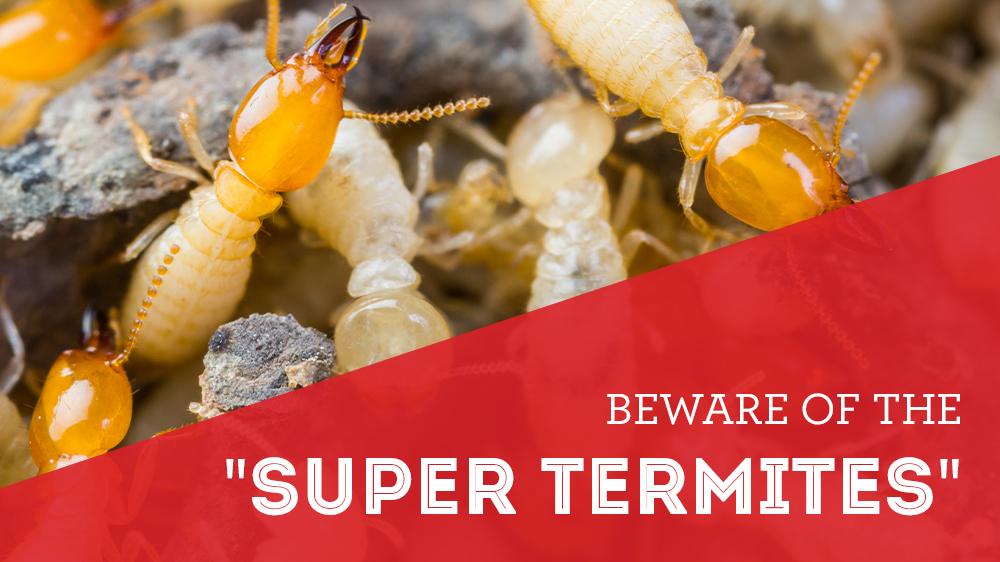
Beware of the “Super Termites”

image of super termites

It’s that time of year that many of us dread. You guessed it, Formosan Termites are looking to feast on your home. These aren’t your run-of-the-mill Termites. The Formosan Termite is also known as a “super termite” since they are much more aggressive and destructive than their relatives. Just how harmful, you ask? They are responsible for nearly $2 billion a year in property damage.

Louisiana is a perfect climate for these pests. They love the moist wood in the spring and summer months. They do most of their damage at night. They will shed their wings after flight and find a safe place to mate and begin their colony by laying eggs. Formosan Termite colonies can have anywhere from 1 -10 million termites within them.

Once the Formosan Termite is mature, it can cause massive amounts of damage. They can go through roughly 13 ounces of wood in a single day. If you do the math, that means a single colony of Formosan Termites can destroy an entire structure in three months.

So, what can you do to defend and defeat the “super termites”? At the Bug Man, we look for areas with conducive conditions around your home. We then treat the house in various methods, such as digging trenches, applying termiticides, hydraulically injecting the termiticide around the slab area and then baiting the home with Sentricon – the best on the market, to help prevent Formosan Termite infestations.

So what’s the bottom line? The best way to control is to have a termite barrier in place with liquids or baits to prevent entry into the home. The Bug Man, our professional and knowledgeable crew has years of experience with Formosan Termites. We can help save and protect your home or business. Give us a call to go over your options.