
fbpx

Author: brewadmin

Mosquitoes in Louisiana and How to Treat Them

Mosquitoes in Louisiana

Mosquitoes in Louisiana can be particularly nasty and aggressive, especially with the warm weather rains we get that provide plenty of opportunities for standing water where mosquitoes breed and flourish. We’re here to share a few tips on treating these pesky pests, particularly how to limit their numbers and keep them from biting you. But first, a few sobering facts of why mosquitoes can be more than just a nuisance.  

  • According to the World Health Organization, mosquitoes infect between 330-600 million people a year with Malaria and Dengue, just two of the life-threatening diseases that mosquitoes can carry.
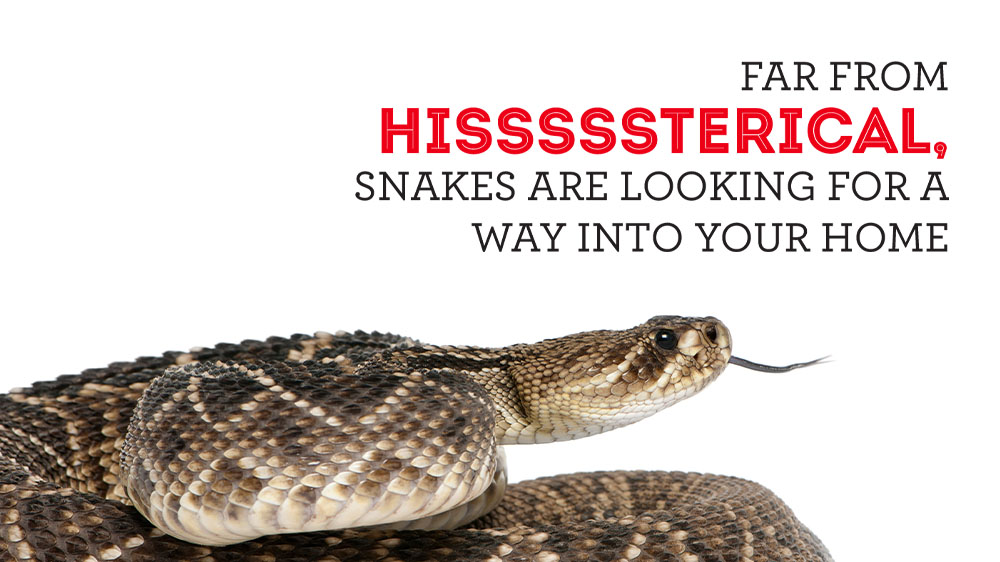
  • Mosquitoes kill more people (over 700,000 per year) than any other animal on the planet by far. The closest in fact would be snakes, they kill around 50,000 people per year. 
  • Over 1 million pets in the U.S. alone are estimated to be infected with heartworms, which are passed along through mosquito bites. The infection rate for dogs over 2 years old is thought to be over 80% in South Louisiana.

Make Your Yard and Land Less Hospitable to Mosquitoes

One way to lessen the amount of mosquitoes on your property is to eliminate areas for them to breed. Female mosquitoes prefer to lay their eggs near stagnant water and can lay anywhere from 100 to 300 eggs at a time. These larvae can hatch within 48 hours. That’s a lot of mosquitoes! Here’s what you can do.

  • Eliminate sources of standing water and dispose of water-holding containers, such as tin cans, plastic containers, ceramic pots, used tires, and tire swings.
  • Pay special attention to discarded tires that may have collected on your property. Stagnant water in tires is a common place for mosquitoes to breed.
  • Drill holes in the bottom of containers such as those used for recycling.
  • Clean clogged roof gutters.
  • Turn over objects that may trap water when not in use, such as buckets, wading pools and wheelbarrows.
  • Change water in bird baths on a weekly basis. Do not allow water to stagnate in birdbaths; aerate ornamental ponds or stock them with fish.
  • Clean and chlorinate swimming pools. When pools are not in use, use pool covers and drain when necessary. Be aware that mosquitoes may even breed in the water that collects on swimming pool covers.
  • Use landscaping to eliminate standing water that collects on your property. Mosquitoes will develop in any puddle that lasts for more than four days.

Fight the Bite!

Mosquitoes feed on blood from humans and other animals, which is why they bite. Use the following measures to help reduce bites from these pests.

  • Be particularly careful at dusk and dawn, when mosquitoes are most active.
  • Wear shoes, socks, long pants and long-sleeved shirts. Clothing material should be tightly woven.
  • Use mosquito netting when sleeping outdoors or for baby strollers.
  • Use mosquito repellent when you are outdoors. Always use according to label instructions. The most effective repellents contain DEET, Picaridin, oil of lemon eucalyptus or IR3535.
  • Always wash treated skin when returning indoors.  Do not apply repellent under clothing, to wounds or irritated skin, the hands of children, or to infants younger than two months old.
  • Be sure your home’s door and window screens are tight fitting and in good repair to avoid mosquitoes entering indoors.

If you are still experiencing mosquitoes on your property, it’s a safe bet you should call a pest control professional. The mosquito treatment plan usually begins with a thorough property inspection and identifying the kind of mosquitoes that are causing problems. Once the inspection and identification are complete, your pest management professional will prepare a mosquito treatment plan best suited for your property, such as mosquito pots, misting systems, or yard fogging.

If you are concerned about a mosquito breeding site in or around your home, consider calling a pest management professional. The Bug Man provides three revolutionary mosquito treatments that don’t just repel mosquitoes, the unit kills them for good! Our newest mosquito program is a great, inexpensive alternative to yard fogging. We place mosquito pots around your yard that sterilize a female mosquito from laying eggs. For an effective mosquito solution, contact The Bug Man and ask about their mosquito services or give us a call at (225) 923-2847.

8 Helpful Tips to Help Protect Your Property From Termites

It’s that time of year again. Yep, you guessed it—time for The Bug Man to come out and inspect for termites.

It’s that time of year again. Yep, you guessed it—time for The Bug Man to come out and inspect for termites. While termites are active year-round, most subterranean termites tend to swarm in the spring and summer months here in Louisiana. However, with all the recent rain and flooding making wood structures a breeding ground for an infestation, it’s never been more important to have your home or business inspected for these pests.

When there is this amount of moisture, termite colonies are constantly looking for new sources of food. It’s essential to take proactive measures to prevent termites from destroying something you try so hard to protect.

Here are some helpful tips to help safeguard your property:

  1. Store firewood away from your home. Place it in a dry area.
  2. Don’t allow water to pool next to the slab or under your home or business. Create ways to help the water drain away.
  3. Trim your tree limbs and vines that may be growing near or on your home.
  4. If you have any leaks in your pipes, roof or outside faucets, have them repaired or replaced.
  5. Repair any rotting wood on the soffit, fascia and exterior wood surfaces.
  6. Clean the gutters on your home and repair any sections that may be damaged.
  7. Make sure to turn off outside lights at night. Consider using yellow bulbs to avoid attracting swarming termites.
  8. Call The Bug Man to get rid of them.

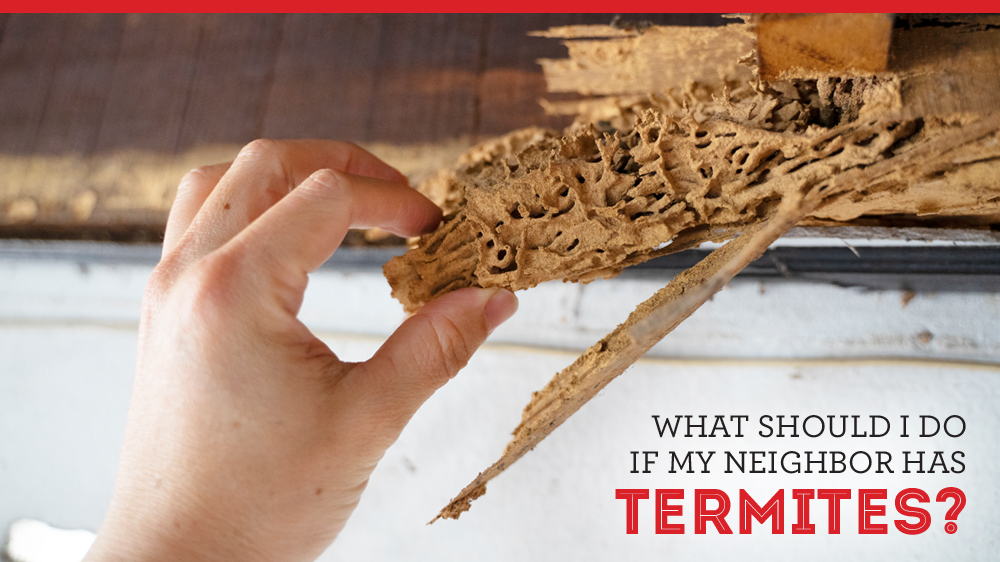
Take a look around your structure and look for mud tubes on slabs, piers, or walls and pinholes in wallboards, softness in flooring or blisters in paint or wallpaper. If you see any of these signs, there’s a good chance you’re dealing with a termite infestation. They can and will destroy if not dealt with in a timely manner. If you need help with your termite problem or to schedule an inspection, give The Bug Man a call at 225-923-2847.

If You Think Floods Are Bad, Wait Until You Hear About Termites.

Recently Flooded? Treat for Moisture and Termites

The recent rain and floods have done an incredible amount of damage to homes and businesses across the state. To magnify the problem, termites look at the amount of moisture around and don’t see a problem but an opportunity to thrive. Pests are survivors.

As many people will be opening up their walls to let their studs dry out, this is a perfect time to not only do a surface repair but also treat for termites. The type of termite that causes the most damage in North America is the subterranean termite. These pests require ample moisture and then add a food source that contacts moist areas of the soil, and there you have it – perfect conditions for an infestation.

Most pests will seek higher ground to get out of floodwaters. Some insects, like fire ants, will float on water to survive. So, one might think that termites might drown in water. Well, the answer to that is “no” as termites have been around for 250 million years and have survived the ice age, natural disasters, and dinosaurs’ extinction. In short, these pests have strategies to survive.

One strategy for survival is in the way termites breathe. Termites have a system of holes (spiracles) along the sides of their bodies. When around bodies of water, they can close their spiracles for extended periods. One study found that they could survive underwater for over 19 hours. If that doesn’t amaze you, then consider this – they can also tread water for up to 4 days.

Flooding causes damp and wet conditions to become attractive to termites. In many cases, wood that is wet for extended periods of time may lead to an above-ground termite infestation as the termites move into the damp wood. If flooding has damaged your foundation or footing, termites can gain access to your structure

If a termite baiting system is installed around a flooded structure and the floodwaters are contaminated with pollutants, the bait matrix can be tainted and compromised in terms of attractiveness to termites. In this situation, the bait and possibly the bait housing would need to be replaced.

Soil treatments may require remediation or re-treatment if the soil has shifted or eroded or if sediment is deposited over a treated area. Likewise, flood waters may cause chemical treatments applied directly to wood for structural protection to leach out, requiring re-treatment.
Excess moisture is the biggest threat to a home’s structure. The moisture will compromise the strength of the wood, promote mold and fungi growth and attract pests. One way to combat that is with Bora-Care with Mold-Care. It acts as a moisture preventative against the damaging effects of water and the conditions that promote infect infestation. The Bug Man provides moisture treatment to open studs with at least 8% or less of moisture. A termite preventative can be performed as well with Bora Care while the walls are open to your structure.

Based on history, floods and standing water problems will not kill termites. At best, they provide termites more material to feed on due to increased moisture levels. That is all the more reason that pest management professionals need to get out and make sure their termite protection and moisture treatments are in place. Frequent inspection is the key to termite control success.

If a flood has impacted you, The Bug Man can help by making a thorough inspection of the flooded property/structures to determine if your treatment has been compromised. We can suggest appropriate steps for remediation if needed. Give us a call (225) 923-2847

Beware of the “Super Termites”

image of super termites

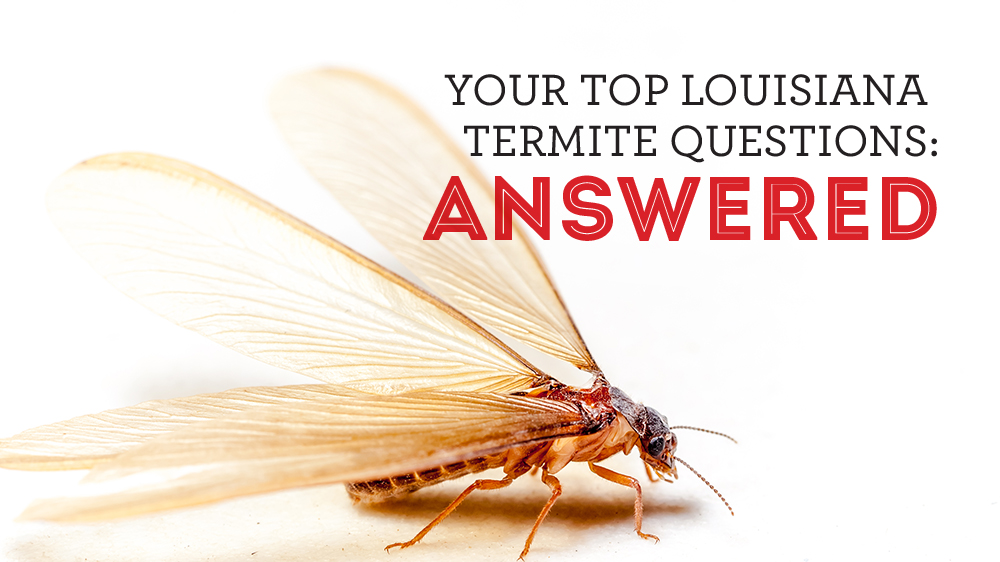
It’s that time of year that many of us dread. You guessed it, Formosan Termites are looking to feast on your home. These aren’t your run-of-the-mill Termites. The Formosan Termite is also known as a “super termite” since they are much more aggressive and destructive than their relatives. Just how harmful, you ask? They are responsible for nearly $2 billion a year in property damage.

Louisiana is a perfect climate for these pests. They love the moist wood in the spring and summer months. They do most of their damage at night. They will shed their wings after flight and find a safe place to mate and begin their colony by laying eggs. Formosan Termite colonies can have anywhere from 1 -10 million termites within them.

Once the Formosan Termite is mature, it can cause massive amounts of damage. They can go through roughly 13 ounces of wood in a single day. If you do the math, that means a single colony of Formosan Termites can destroy an entire structure in three months.

So, what can you do to defend and defeat the “super termites”? At the Bug Man, we look for areas with conducive conditions around your home. We then treat the house in various methods, such as digging trenches, applying termiticides, hydraulically injecting the termiticide around the slab area and then baiting the home with Sentricon – the best on the market, to help prevent Formosan Termite infestations.

So what’s the bottom line? The best way to control is to have a termite barrier in place with liquids or baits to prevent entry into the home. The Bug Man, our professional and knowledgeable crew has years of experience with Formosan Termites. We can help save and protect your home or business. Give us a call to go over your options.

How to Keep Your Home Flea Free

Keeping Your Home Flea Free - image of a family in their living room

When you probably think of fleas, your mind probably jumps (no pun intended) to your pets. When in fact, they like parts of you just as much. Here are a few things to consider to keep you, your pet and your house flea-free. There are four parts to the flea cycle. They include flea eggs, flea larvae, flea pupae and adult fleas. Sounds pretty gross, but understanding the flea cycle can help.

If fleas have a preference for a host, they’re going to be looking first and foremost for your pet. Once an adult flea has feasted on her host, she can lay approximately 40 eggs per day. Yikes! The eggs are then distributed throughout your house. Typically you’ll find them around your pet’s favorite hang-out areas. Dog beds, toy bins, and regions they sleep are common.

Those 40 eggs mentioned earlier hatch approximately 2-14 days later and become larvae, which have an aversion to any light source, typically making their home in warm, dark carpeted areas.
The larvae love to feed on organic material, such as shed skin cells (yep, from pets and people) and ‘flea dirt’ (flea poop) from adult fleas.

The fourth and final life stage, the adult flea, is when most people start looking for help, like The Bug Man, in getting rid of these pests. Before a large full-onslaught infestation, the best line of defense is to stop the cycle before it starts with year-round protection on your pet. Don’t forget fleas can make their way into your home on your shoes and clothes.

Don’t let the fleas get you or your pet. Our professional and knowledgeable staff are happy to walk you through the best options. Give us a call or text at 225-923-2847.

Powder Post Beetles

Powder Post Beetles

In Louisiana when it comes to wood-destroying insects, the usual culprit is termites. However, powder post beetles would come in second only to the termite in causing costly structural damage to homes. As the name implies, these beetles can turn wood into powder. The beetles lay their eggs in the pores of wood. Their larvae then hatch from the eggs, feeding on the wood and creating a series of tunnels as they eat the wood. Eventually, the larvae will mature into adult beetles. Once the insects reach adulthood, they tunnel their way out of the wood, leaving behind a tiny exit hole This life cycle can take two to five years to complete, meaning the larvae are literally eating the wood in your home for years.

Generally, homes raised off the ground are at high risk for infestation. Powder post beetles most often attack bare, unfinished wood with a high moisture content. The wood framing under raised homes is the perfect environment for beetles to thrive.

To treat for powder post beetles, we apply a surface treatment on all accessible exposed bare wood using a product containing “borate”, such as BoraCare or Timbor. These products eliminate the beetles by not allowing them to enter or exit the surface of the wood.

If you have a pier type structure, call The Bug Man today for a FREE estimate for wood boring beetle control.

Buying A New Home? Here’s One Thing To NEVER Forget.

Never overlook the termite inspection

Buying a home is one of the most significant moments you’ll experience in life. You now have a home that you can settle down in and maybe raise a family. You’ve invested so much into making this dream come true, but there’s one thing never to overlook when making this large purchase – a termite inspection.

Not many people consider a termite inspection as part of the overall home inspection, when in fact, a termite inspection is one of the more common contingencies in a real estate contract. Termites cause over $5 billion dollars in damage annually in the US. That’s why more and more lenders are offering loans only with a mandatory termite inspection, such as a VA loan, which requires a termite inspection to be performed in all home purchases.

Far too often in the past, a termite inspection was overlooked, leaving the new owner in a world of hurt. Thankfully, as we grow wiser, more and more owners are checking for termites and other wood destroying insects when buying a home.

Imagine how upsetting it would be to learn that termites have been munching on your beloved home. This is not a problem you can afford to ignore. They will continue to do what they do, and the problem will only get worse.
The same can be said for any pests – from ants to mice. Bring in a professional like The Bug Man, stop termites in their tracks and repair the damage before the sale. While ants and mice are not a huge concern and can be rectified relatively easily, wood destroying insects are not something to fool around with because of their ability to destroy the structural integrity of a home.

When it comes to making your home purchase, call The Bug Man, we’ll make sure your new home is pest free and can help make this next chapter of your life go a lot smoother. To make sure all insect infestation signs or pest inhabitation are appropriately addressed. Give us a call or text at 225-923-2847.

How The Seasons Affect Pest Behavior

seasonal pest control home maintenance

Seasonal pest control is essential for protecting your home year-round. Pests are always looking for a warm, safe place to find shelter and food, often inside our homes. Each season brings unique pest threats, and understanding seasonal pest patterns helps you take proper precautions to keep your home pest-free. For more information on the health risks pests can pose, see guidance from the EPA.

Seasonal Pest Control

SPRING – Insects Are Awakening And Mating Begins

The flowers are blooming and the temperatures are warming. Spring is a magical time of year. However, with this mix of warmth and moisture, pests emerge from their winter nesting area. Termites may swarm and bees and wasps are roused from their dormant state and with the spring rains, ants may try to find higher ground and look to get indoors. Most pests will move outdoors in spring to find mates.

SUMMER – Outdoor Fun And Backyard Pests

Everyone wants to get outside and enjoy all that summer has to offer, but pests may put a damper on that BBQ you were planning on. While we don’t see as many indoor pests during the summer, we see a larger amount of pests outdoors. Bees, wasps, and other stinging insects are more active and their nests are often found on or near our homes. And let’s not forget what the spring and summer rains bring – mosquitos. It takes a little effort to deter these nuisances, but putting in a bit of effort can undoubtedly increase the number of good times you can have outdoors.

FALL – A Little Home Maintenance And A Shelter

There’s a chill in the air and guess who’s looking for a place to prepare for winter? You guessed it – pests. Boxelders, ladybugs and spiders are coming into your home. They love cracks and crevices. What about more significant pests like mice and rats? They too are looking for food and shelter. Fall is the season to pull up your sleeves and do a little home maintenance. Make sure those cracks, crevices, holes and gaps in your siding, foundations, floors, attics, and garages are sealed to keep them out. 

WINTER – Hibernation And Survival

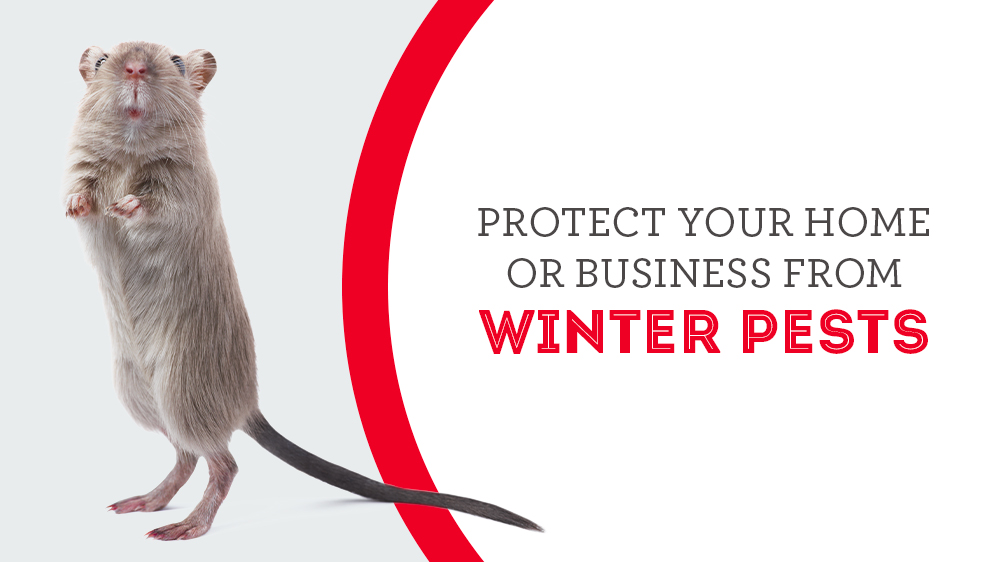
Winter is a time of hibernation and survival for pests. Now that it’s colder the weather triggers a need for pests to find shelter. Some seek refuge outdoors, but others will be looking to shelter indoors. Wasps and bees will look for places in logs, or the eaves of your home and ants will look to seek shelter in their nesting sites. Other pests like mice and rats are not tolerant of the winter months and often look for shelter in homes. The best time to prepare to keep these pests out and away from your home is in fall. 

Seasonal Pest Control Services from The Bug Man

Being prepared for seasonal insect patterns is important. It’s not always easy to completely control or deter insects and pests on your own; that’s why you have The Bug Man. To make sure all insect infestation signs or pest inhabitation are appropriately addressed, give us a call or text us at 225-923-2847. Request an estimate today. 

How To Have a Pest-Free Home For The Holiday Season

Pest Free Home For The Holidays

The holiday season is already here – families across the country are getting into the spirit by decorating their homes, carving pumpkins and will soon be stringing holiday lights and wrapping presents. Although this is all fun and games, there are some unwanted guests that also want to join in on the fun and spoil your celebrations. These unwanted guests are pests, such as spiders, ants, cockroaches and even rodents! Although there are many holiday items that attract pests, there are ways you can avoid them. The Bug Man has provided some tips on how to keep your home pest-free this holiday season! 

Pumpkins

While carved pumpkins are the holiday symbol for October, they can be a breeding ground for pests. Whenever you are carving out the pumpkin, make sure you’re cleaning out all of its guts. (This also reduces the amount of mold growth.) The pulp inside the pumpkin is the most delicious part—both to rodents and bugs alike. Put simply: The less pulp, the fewer bugs there will be. 

Additionally, make sure you dispose of the pumpkin early. Leaving your pumpkin out for too long leaves room for the ultimate critter feast with the possibility of an invitation into your home.

Boxes

Another way that pests can enter our homes during the holiday season is through the boxes of decorations, which are often stored in attics, garages and basements. Your decorations give food, shelter, and warmth to many of these pests and they are often left undisturbed for many months. 

When homeowners unpack their holiday decorations, many may find live or dead pests inside. When it’s time to decorate for the holidays, unpack holiday items outside and inspect everything carefully for signs of pests, droppings or any other damage before bringing them inside your home. 

Pro Tip: The use of cardboard boxes to store decorations is a big mistake. Many critters feed on starches like cardboard. This is an open home invitation to pests! At The Man, we suggest using heavy plastic containers that seal. Make sure you are not overpacking, which will lead to the containers not being able to shut properly.

Christmas Trees & Wreaths

Christmas trees and wreaths are also one of the most common ways in which pests enter into homes. Spiders, termites and ants are usually found in the crevices of wood or deep in the branches of trees. Some bugs may even lay eggs. 

To avoid bringing insects into your home, make sure you properly inspect the trees before bringing them in the home. Deny critters this free entry by shaking the tree or wreath before bringing it indoors. A good shake will knock off the bugs clinging to branches. 

After the holidays are over, it might be tempting to put your tree in the backyard. However, you should not do this. If your tree contains invasive species, you are introducing them to the neighborhood. In many areas in Louisiana, Christmas trees are collected from the curbside during the first two weeks in January. Many communities now recycle Christmas trees and use them for mulch, hiking trails, soil erosion barriers, bird feeders and much more!


During this busy time of the year, it’s easy to overlook signs of pests in the thrill of the holiday season. If you or a loved one sees signs of pests or suspect an infestation, contact a licensed pest professional to inspect your home so you can enjoy the festivities in a pest-free home! For a customized solution for your household, contact The Bug Man or give us a call or text at (225) 923-2847.