fbpx

Author: brewadmin

What Should I Do If My Neighbor Has Termites?

Neighbor has termites warning – termite control inspection

If your neighbor has termites, you might be worried about your own home. A sighting of several termite control trucks at their house could be cause for concern—but it doesn’t automatically mean your home is at risk. However, it could mean that you are more at risk, which warrants precautionary measures to be taken. Here’s what you need to know before you map out a plan of action.

Termites can spread in multiple ways

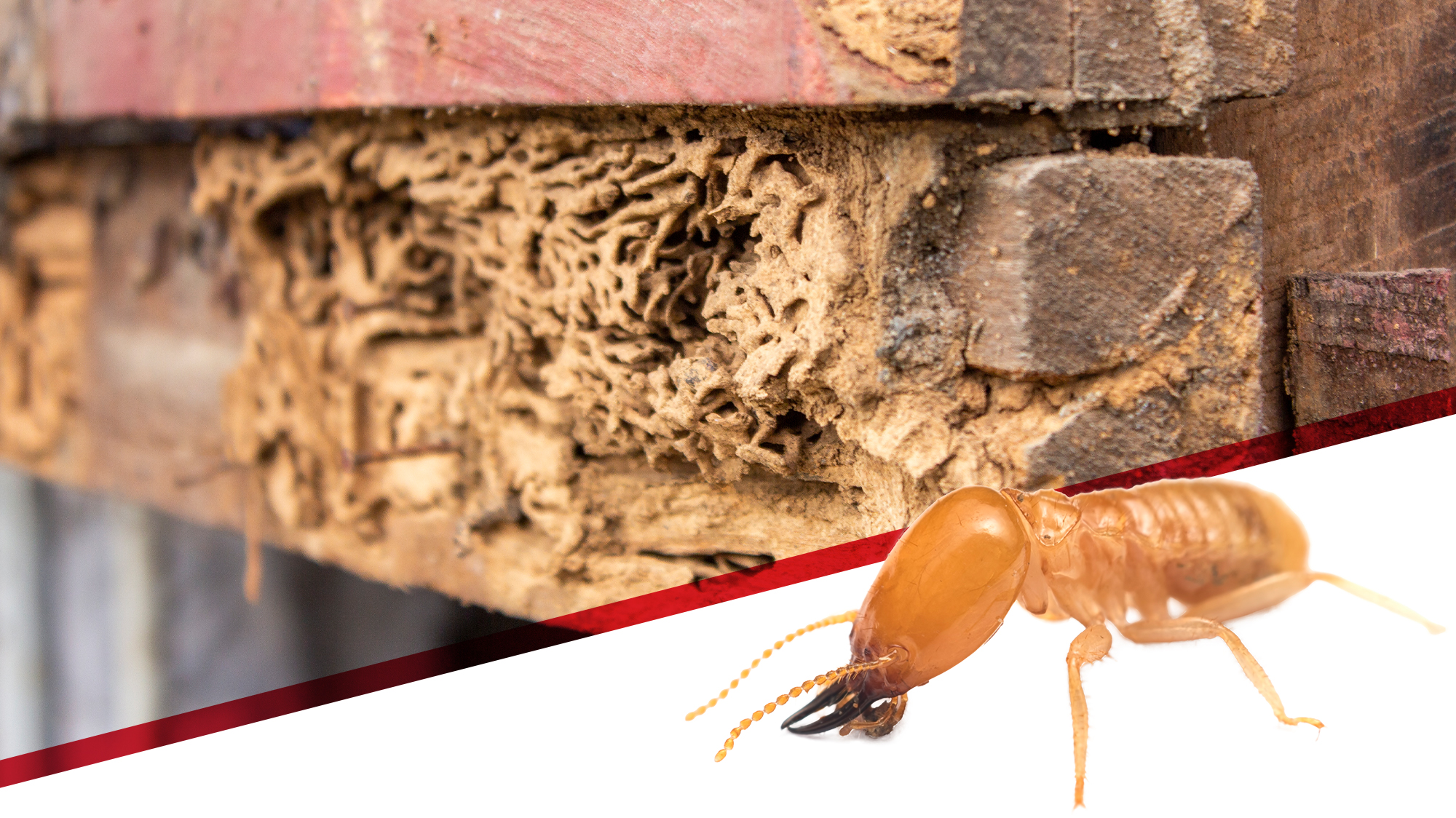
Subterranean termites, which are prevalent in the Greater Baton Rouge area, generally travel through flying or swarming during the reproductive season. While swarming season occurs in the Spring, a colony can also spread through mud tubes and through exterior wood, like firewood or furniture, any time of year. So if you were to borrow a wooden bench from your neighbor that was unknowingly infested with termites, then you could have inadvertently offered them a new dwelling place in your home.

Termites like to expand to similar structures

If you live in a community where many of the homes were built around the same time and with the same materials, your soil moisture level is probably also similar. Since subterranean termites travel through the soil looking for new cellulose-based food sources, close proximity could make your property an easy target. Once they zero in on a new structure, there’s nothing stopping them from easily entering into your foundation without your knowledge.

Termites often pop up during new construction

Whether your home is the new one on the block, or new houses are going up in close vicinity to you, termites are often identified as a result of new construction projects. Because the land used for a new-build could already have a number of active termites hidden in its soil that become disrupted when the process begins, they are left with no choice but to find a new place to feed. This often happens when developers take out old termite-infested trees and bury them under the new soil of a neighborhood.

Professionals are required to properly stop the spread of termites

Termites can tunnel and swarm the length of a football field, making a verified infestation next door too close for comfort. The best way to protect yourself? Take preventative measures with a professional termite control company as soon as (or before) you move in so that you won’t have to worry about what happens at your neighbor’s house in the future. However, if you didn’t have preventative measures in place and your neighbor spots termites, a professional termite control company is the only failsafe way to have your home properly inspected and to begin any necessary treatment. As the greater Baton Rouge area’s leader in termite protection, The Bug Man has the expertise and innovative means to deliver the most cutting-edge inspection and treatment solutions. Contact us today to learn more about our termite control services. For more detailed guidance on identifying and controlling termites, you can refer to the EPA’s guide on termite prevention and control.

Your Top Louisiana Termite Questions Answered

Louisiana termite control

Spring may bring flowers and crawfish season, but it also signals termite swarming season. Protect your home with expert Louisiana termite control and learn how to prevent costly infestations. For creatures so small, termites sure do have quite the reputation… and for good reason. They can cause upwards of $5 billion in home damage each year. While the south may be known for its hospitality, no one welcomes termites with open arms. Here are answers to some of the most frequent questions we get regarding termites and how to keep them out.

What types of termites are there in the Greater Baton Rouge area?

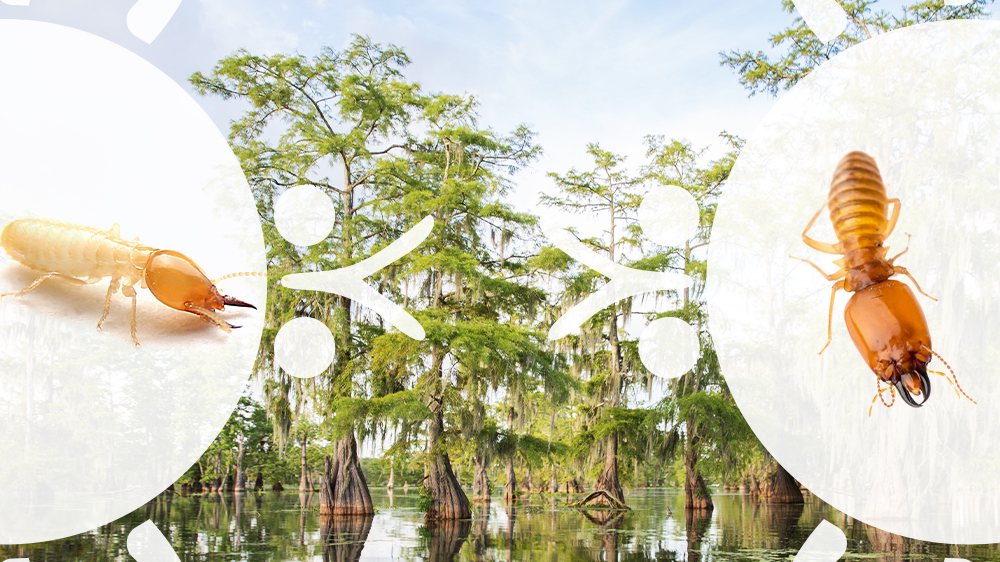
The two major types of termites in the Greater Baton Rouge area are the Formosan “super termites” and Native termites, which both fall into the Subterranean category. As the name suggests, Subterranean termites are attracted to moisture in both wood and soil, and you can often find them swarming when a really hot day follows a rainy day. Natives generally swarm beginning late in February or early March and Formosans will swarm around Mother’s Day weekend.

Are termites attracted to light?

Yes. Swarming termites, which fly in groups during reproduction, are attracted to outside lights at night. Once fertilized, these swarmers will bury into the ground, lose their wings and hunt for the perfect spot to start a new colony. 

Do termites bite?

Yes, but good news for us – Their entrée of choice is wood. And they sometimes will eat other insects to protect their colonies. At the end of the day, if you suspect a termite infestation, you don’t need to worry about them hurting you; but you should definitely call a professional to treat the issue. For guidance on identifying and controlling termites, see the EPA’s guide on termite control.

What are the signs of an infestation?

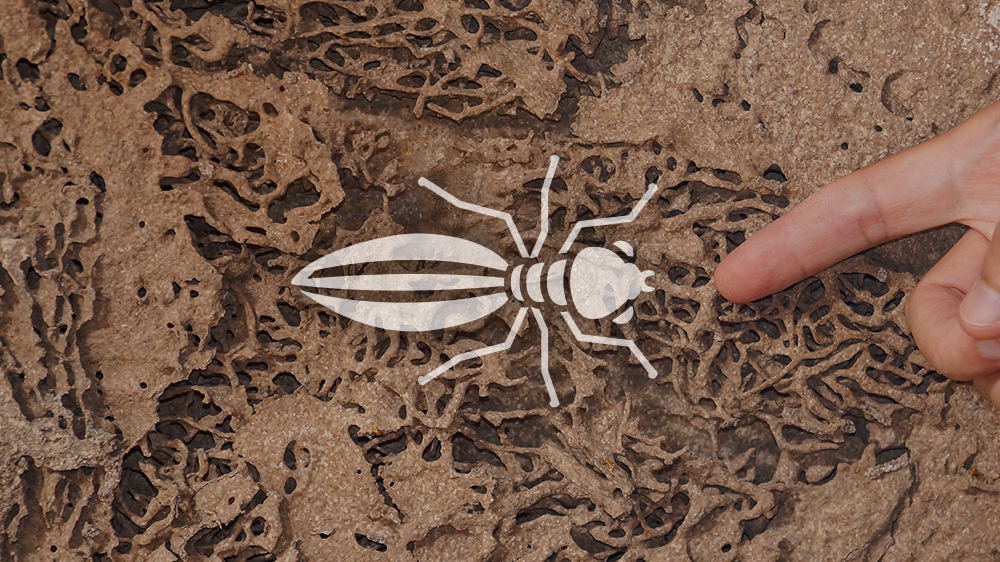
Common indicators of a termite infestation include wood that sounds hollow when tapped, cracked or bubbling paint, mud tubes on exterior walls, signs of droppings and/or a temporary swarm of winged insects in or around your home. If you notice any of these signs, contacting a professional for Louisiana termite control can help protect your home before damage worsens.

How do I get rid of termites?

We have an easy solution – Call The Bug Man. As the greater Baton Rouge area’s leader in termite protection, we have the expertise and innovative means to deliver the most cutting-edge treatment solutions. Contact us today to learn more about our termite control services.

3 Shortcuts For Effective Pest & Rodent Control | The Bug Man

3 SHORTCUTS FOR EFFECTIVE PEST & RODENT CONTROL | The Bug Man

Keeping critters like raccoons, mice, squirrels, nutria, opossum, snakes and birds at bay in your home or office is easier than you might think.

Uncovering a pest or rodent infestation is just the beginning.

If you’ve ever heard, seen or smelled the traces of pointy claws, sharp teeth or sneaky slitherers in your home or business, you can certainly be left with an uneasy feeling. While you may be tempted to buckle down and attack the situation yourself, for your protection, it’s best to leave the dirty work to the professionals. With many different methods and resources available, our team is equipped with Louisiana Department of Agriculture-licensed trappers for safe and powerful pest, rodent and animal control and removal services.

Sometimes, even after an infestation is removed, a stench can linger behind.

After you’ve tackled your first battle (the actual pest or rodent) there may be another one that quickly surfaces – an extremely unpleasant smell. A smell that candles, air fresheners and essential oils simply can’t mask. The only completely long-lasting solution is a commercial-grade odor eliminator. We offer one that is safe, effective and can tackle up to 40,000 cubic feet at a time. Because it works without the use of harmful chemicals, you don’t even need to leave your home or business for it to start working its magic.

The most effective way to get rid of unwanted pests? Don’t let them in!

The best defense is always a good offense, even when it comes to pests and rodents. This means identifying, sealing and securing any potential entry points, including garbage chutes, drains, vents and foundation cracks around your house or business before unwanted guests can make themselves at home. If you want to be sure all of your bases are covered, we recommend enlisting the help of licensed professionals. Our exclusion services offer a preventative barrier to keep you safe, comfortable and nuisance-free year-round.

At The Bug Man, we get ‘em when you can’t. Contact us today to learn more about our pest-free guarantee. 


Far from hisssssterical, snakes are looking for a way into your home

Whether you’ve lived in Louisiana your entire life or lived here a few short months, it should come as no surprise that snakes are a part of life down here. With all the wetlands, ponds, marshes and swamps, snakes love the deep south. 

That may sound as if that is where they’re going to stay, but when the weather gets colder and they get chilly, they look for a place to hibernate. Spoiler alert – a great deal of the time, they want to hibernate in your home. 

They pose a significant risk to your children, family, pets and guests for a few reasons. There are serval poisonous snakes that exist here that can create a hazard, but over 85% of snakes carry salmonella in some form. Before you say “disgusting” and move on – wait one more minute. There’s are a few things you need to know. 

Because they are a cold-blooded species, their bodies don’t keep warm due to blood flow the way mammal bodies do. Snakes thrive and stay alive by absorbing external temperature. So when it starts to get too cool outside, they need a warm place to live. Places like:

  • Attics 
  • Water pipes
  • Walls
  • Crawl spaces
  • Basements
  • Drop ceilings (yikes)
  • Laundry rooms
  • Bathrooms
  • Closets 

Don’t Panic

The best way to prevent snakes from getting in is to seal up any potential area they may be able to slither through. They don’t need ample space at all, and a simple crack or tiny hole may be all they need to make your home their new home. If you need help identifying those areas, The Bug Man can help

If a snake does happen to make its way in, it’s not the best idea to attempt to remove it yourself. As stated earlier, some snakes can be deadly or can get you sick. In addition, simply removing it and putting it outside will not prevent it or others from making their way back into your home.

Our advice is to give The Bug Man a call to answer all of your snake questions or schedule an appointment. We’ll take care of them, so you don’t have to.

What’s that rancid smell?

What’s that rancid smell?

You smell something. Something just awful. And once you find out that it’s the result of rodents or another animal, your first thought is to mask it with something else. We’re here to tell you that masking odors don’t work. The key to getting rid of the smell is to go straight to the source and eliminate it. Moreover, you need a non-toxic product that is safe for use in environments like restaurants, office complexes, homes, medical facilities, etc., where interrupting operations is not an option.

Chances are, if you notice a pungent smell but can’t track down its source, that a pest may have passed away in a place you can’t see, such as in a crawl space or wall. Another key indicator that something has died is by a large fly infestation. Flesh flies seemingly appear out of nowhere when something has died. Mice, rats, squirrels, opossums and raccoons are common culprits of the stench. But, whatever the pest, the fact remains that if an animal dies in the walls of your home or business, it can produce a near intolerable stench that’s impossible to ignore. It can begin to affect your family’s well-being or negatively impact your ability to serve customers within a short time.

The scent may last anywhere from a day or two up to a month or more. Nobody wants to live or work with this. At The Bug Man, we have the equipment to eliminate odors in a facility due to a dead animal, smoke or fire. Our Odor Neutralizer solution is safe, effective and can be administered without having to evacuate the affected structure. So, no matter where that smell is coming from, we have you covered.

If you are now experiencing or in the future experience a scent in your home or business that is unbearable, give The Bug Man a call at 225-923-2847. We’ll take care of the mess, so you don’t have to.

Do I Need to Worry About Rodents Around My Home or Business?

Do you really need to worry about rodents around your home or business?

Now that the weather is beginning to get cooler, rodents will be out in force looking for a place to stay warm. These pests are nothing to scoff at – in fact, rodents can carry diseases and their fur, saliva and waste can taint your food. That’s not all; rodents are also hosts for fleas, spreading diseases like the lymphocytic choriomeningitis virus. And if you or someone you know has a weakened immune system, chances are they or you may begin to experience headaches, fever and meningitis.

How long do rodents live?

If they are in welcoming conditions, such as your home, garage or attic, mice and rats can live up to one year. If they’re in their natural habitat, they usually live up to around 4-6 months. While a couple of unwelcome guests may not seem so bad for a short amount of time, consider this – A house mouse can have an average of 8 litters per year with an average of 6 babies per litter. That’s 48 mice per year per rodent! Think if you had multiple in your home!

How do they get in?

If you’re wondering what one of the most adaptable animals is on the planet, look no further than the common rodent. If not addressed early, infestations can cause quite a bit of damage to buildings and agriculture and can transmit diseases to humans. Mice enter homes or businesses through cracks and holes found in the floors, walls and foundations. Mice can also enter the home through gaps in the windows as well as sewer lines. Homeowners don’t typically recognize mouse holes until other signs of infestation appear.

How do you prevent them from getting in?

All cracks, openings, and holes need to be sealed with cement or metal to prevent mice from entering the home. All of your doors and windows need to close correctly and you need to store your food in glass or metal containers. Make sure the lids can seal tightly, and never leave food out. But if you do, you should give The Bug Man a call. Our professionals have over 40 years of experience helping families and businesses eliminate these pests. Don’t let another day go without protecting your friends and family.

Busting the Top 4 Mosquito Myths

Busting the Top 4 Mosquito Myths | The Bug Man

While the mosquito is no stranger to Louisianans, how well do you know these all-too-familiar fun suckers? There’s a swarm of information available on what attracts them, how to prevent them and why they behave the way that they do. But how do you decipher an old wives’ tale from actual science? Let’s break down a few of the most commonly-circulated myths about the unofficial state bird of Louisiana…

Myth #1: “Mosquitoes are more attracted to sweet blood.”
No matter your sunny disposition or the amount of sugary treats you consume, tasting “sweet” isn’t really a thing. Mosquitoes are, however, drawn to certain odors your body emits, like heat from your movement, the carbon dioxide in your breath and the lactic acid your skin secretes. In fact, scientific studies show that people with Type O blood were twice as likely to be bitten than people with Type A blood because they expel more lactic acid than others.

Myth #2: “Mosquitoes rely on blood to survive.”

Male mosquitoes couldn’t care less about blood. Females feed on it out of natural primal instinct – they only need its nutrients to produce eggs. But for humans, because most mosquitos are continuously breeding, it feels as though the vicious blood-sucking never stops. While blood is a female-exclusive feast, both male and female mosquitoes run (or fly) on nectar to fuel their everyday activities.

Myth #3: “Eating certain foods can act as a natural mosquito repellent.”

While eating a large amount of garlic may cause your date to flee in the other direction, it doesn’t do much to deter mosquitoes. Research shows that while consuming foods like onions, beans, grapefruit or peppers can potentially help to mask the natural smells your body emits, it isn’t exactly fool-proof. Experts suggest using a bug spray that contains DEET (with a concentration of 50% or less) and wearing pants and long sleeves to best protect yourself from these mini vampires.

Myth #4: “You don’t have to worry about getting a disease from mosquitoes in the U.S.”

While the risk has been greatly reduced over the years, we’re not completely out of the woods. There are over 200 types of mosquitoes in the United States, and the CDC reports about 12 of them spread germs that can cause severe illnesses, like West Nile, Zika and more. If you have recently been bitten by mosquitoes and you are experiencing fever, a rash, joint and muscle pain, headache and nausea, please seek out medical treatment as soon as possible.

Now that you have a little more insight into how these little itch-inducing pests act, there’s no time like the present to learn about how you can safeguard your property from housing them in the first place. Contact The Bug Man at (225) 923-2847 today for a tailored treatment plan, specific to your site’s needs.

Bugs That Benefit Your Garden

You may not realize it, but some bugs are actually good for your garden. We call those bugs the “beneficial bugs” (BB), and they can help by eating pest insects that want to eat your plants. Your backyard has thousands of insects, and of them, most are either beneficial or harmless. They fall into three categories. 

  1. Predators: They eliminate pests by eating them.
  2. Pollinators: We depend on these insects to pollinate our garden flowers.
  3. Parasitizers: Like predators, they prey on other insects, but in a different way. They lay their eggs on or in the bad bugs, and when the eggs hatch, the larvae feed on the hosts.

To introduce you to “beneficial bugs,” we’ve created a list.

Green Lacewings:

Green-Lacewings

These BBs feed on nectar and pollen, but their larvae prey on pests like aphids and caterpillars.

Ladybugs:

Ladybug

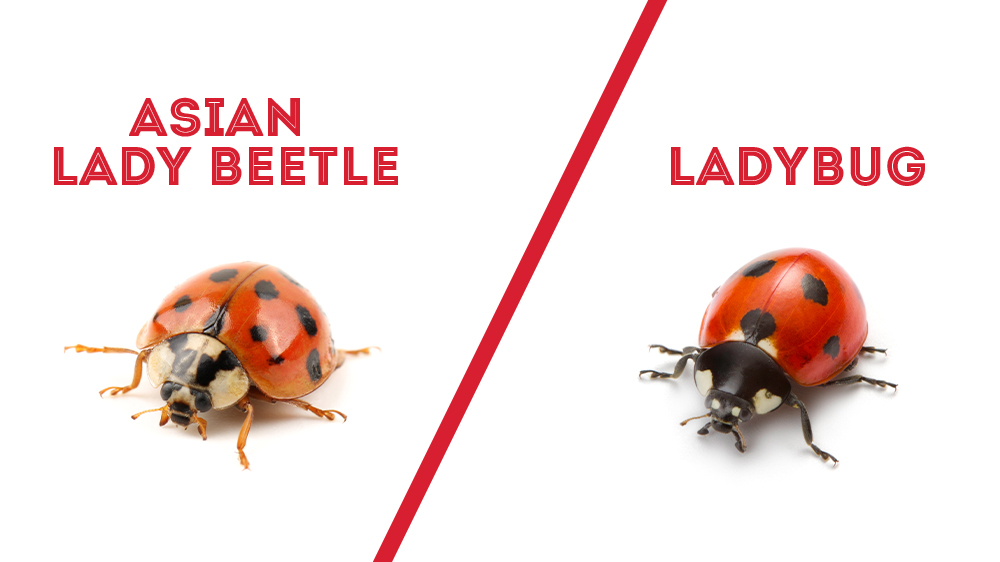
You may think of them as harmless or even cute, but did you know these little guys are fierce. As they start in life, they cruise around feasting on aphids. In fact, ladybug larvae can eat up to 40 aphids an hour.

Spiders:

Spider

Not everyone’s favorite arachnid (that’s right, it’s technically not an insect), but spiders are great pest controllers. They are attracted by movement and eat many live insects and are great at keeping pests under control.

Ground Beetles:

Ground-Beetles

Both beneficial as larvae or as adults, ground beetles will eat a wide range of insects, including caterpillars, slugs, silverfish, thrips and nematodes. 

Hoverflies:

Hoverflies

These BBs look like tiny Yellowjackets, but they don’t have a stinger. They feed on pollen and nectar and extremely important pollinators. Their larvae are ferocious predators as well. They will kill aphids, caterpillars, beetles and thrips.

We’ve only touched on a few beneficial bugs for your garden, and like all living creatures, they have a basic need for food, water and shelter. By providing these things, your garden will become an inviting home for them. 


The Bug Man knows all things bugs; if you need advice or assistance attracting good bugs or getting rid of the bad ones, give us a call

Growing for the Better

Growing for better

Bringing our leading pest services to as many people as possible has been our goal for a long time. We feel nobody should be unprotected from pests, which is why we’re proud to announce that The Bug Man has recently acquired two additional pest control companies to service even more people.

Both newly acquired services have been incredible in what they’ve accomplished and they share a great deal in common with what we stand for at The Bug Man.

  1. Customer service is a priority
  2. Family-owned
  3. Strong values

The two new acquisitions: Witt’s Pest Control in Baton Rouge and X-Pert Pest Control, likewise in Baton Rouge, will combine over 300 years of experience and expertise in protecting homes and businesses throughout the state.

As The Bug Man is growing and expanding its services, rest easy knowing that we are always ready to protect you, your family, and your business from unwanted pests. If you want to inquire about our services, expand your services or learn more, please don’t hesitate to give us a call at 225-923-2847.