
fbpx

Category: Pest Control General

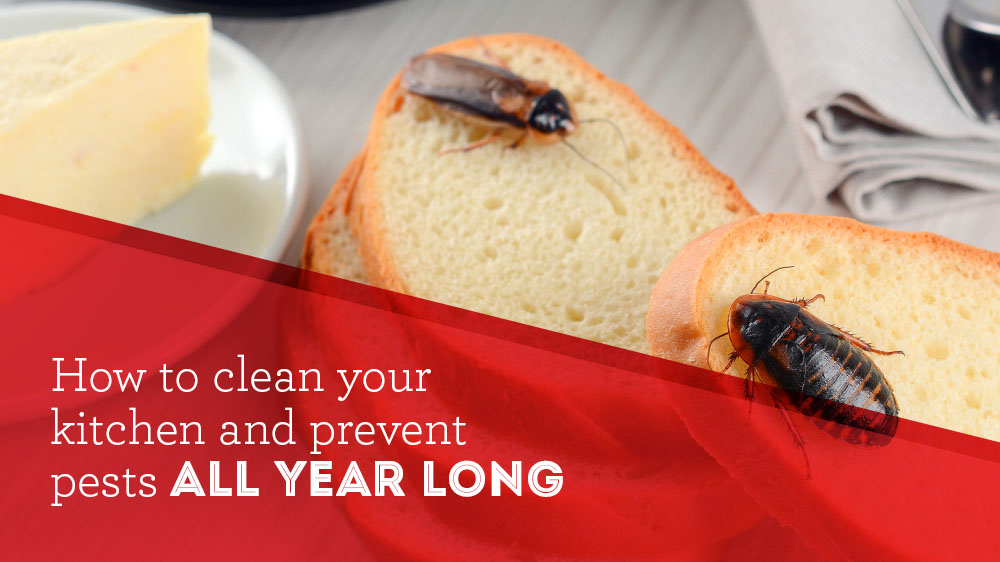
How To Clean Your Kitchen And Prevent Pests All Year Long

Kitchen Pest Prevention – clean kitchen to avoid pests

Kitchen pest prevention starts with keeping your cooking and food prep areas clean. Whether at home or in a commercial kitchen, flies, cockroaches, and rodents can sneak in through doors, cracks, and other openings. These pests can contaminate food, spread disease, and cause damage, making kitchen pest prevention essential all year long.

To help avoid pests from making their way into your home or business and causing problems, here are a few tips and tricks.

  1. It’s essential to maintain a clean kitchen

A clean kitchen isn’t just a pleasant environment; it will also help prevent the spread of bacteria and other unwanted contaminants. Always remember to disinfect countertops with a strong disinfectant cleaner. It’s a no-brainer, but remove food scraps that can attract pests. When using the cleanser, make sure to get all crevices and corners and spend an extra amount of time on food preparation surfaces. All in all, pretty simple. 

  1. Think of yourself as a pest management professional in the kitchen.

It may seem overkill, but having a calendar of when things are cleaned and disinfected is a great routine. That way, you know what was cleaned when and by whom. Grease can easily add up if not addressed, bringing those unwanted problems to the table. While doing this, keep an eye out for any sort of leaks in either the sink or any other appliance.  

  1. Sweep, sweep, sweep

Whether at home or running a restaurant, if you’re cooking food, it’s important to sweep daily to get those delicious crumbs off the floor. Make sure you clean under and behind your appliances and keep food storage areas free of clutter so you can spot an infestation. 

  1. Know the importance of a clean kitchen

It’s easy to want to keep dishes in the sink. Don’t! Dirty dishes are perhaps the primary food sources for pests. Wash them immediately or store them in the dishwasher. 

If you keep dishes in the sink, the pest at first may be a nuisance. However, eventually, it will completely overrun your kitchen. Save yourself the hassle and wipe your counters and keep your dishes washed.

  1. Hot days and months are especially troublesome

Food scraps can build up if you cook a lot or run a restaurant. If you have an unsealed trashcan, there’s a good chance pests have just found the perfect place for breeding.

Always keep your trashcan sealed and have it emptied regularly. If something spills, clean it up quickly because even the smallest amount can attract pests. 

  1. Call The Bug Man

Working with a quality pest control company with many years of experience combating pests is especially important. 

Recently, The Bug Man worked with a commercial kitchen for some training on drain cleanouts. They were being trained in bioremediation. Essentially, it’s the use of naturally occurring or deliberately introduced microorganisms or other forms of life to consume and break down environmental pollutants to clean up a polluted site. 

If you stay on top of these tips, you can keep your kitchen pest-free. However, if your pests have already made their way into your kitchen, contact The Bug Man. We’ll get them before they get you. 
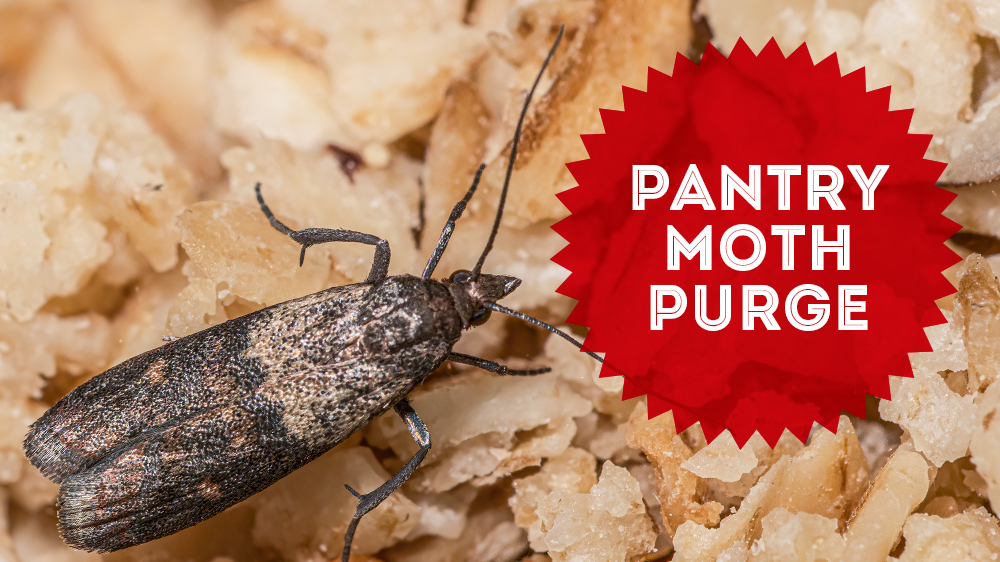
 

Pantry Moth Purge

Pantry Moth infestation in kitchen pantry

While spring cleaning is often the norm, we think one great big summer clean out of your pantry is even better because that’s when pantry moths are most likely to reproduce  (and your kids are home to help)! You may be asking yourself What’s a pantry moth? And how would I know if I have them? We’re here to tackle those questions and more.

What are pantry moths?

With gray, tan and brown features, pantry moths are a common species of meal moth that feeds primarily on dried foods, like rice, flour, pasta, cereal, spices, nuts and more. As their name suggests, you’ll always find them near food – in pantries, kitchens, grocery stores and even food processing plants.

How can I tell if I have pantry moths?

Oftentimes, you’ll spot the adults flying around your kitchen – but they aren’t the ones you need to be worried about. It’s the larvae that are hatched in your dried goods (females can lay 400 eggs at a time), producing the moths which will eat through your supply and leave excrement and silk webs in their tracks. While the moths themselves may not bite or sting humans, they can easily spoil the food you’ve worked hard to provide.

How did they get in?

Believe it or not, the most common way for pantry moths to get a foot (or wing) in your door is through the dried goods that you bought at the grocery store. Factories and processing plants often house them without even knowing it. But this shouldn’t stop you from purchasing these items – see the section below for how you can minimize the risk of bringing them into your home.

How do I get rid of moths in my pantry?

If you suspect that pantry moths may be in your presence, it’s important to act as quickly as possible because they can spread very rapidly. Follow these steps:

  1. Clean out your pantry and throw away any sort of containers where you suspect moths, whether you spot holes in packaging, webs in your food or caterpillars themselves eating away at your dried goods. Be sure that you take the garbage outside.
  2. Vacuum up your pantry, kitchen and in the general vicinity of your infestation. Then wipe down the entire area -walls, shelves, door hinges, baseboards and floors – with warm water and soap (and vinegar if you have it).
  3. Put any food deemed safe in airtight containers -plastic, metal or glass- to avoid an opening for moths to slip in.

How do I prevent pantry moths from invading my kitchen?

Save yourself from the stress of having to manage an infestation, by taking these precautionary steps:

  1. When purchasing dried goods at the grocery store, always check the packaging for any signs of holes or tears before placing it in your shopping cart. The USDA provides guidance on identifying moths in packaged foods. And then when you get home, you can be extra safe by placing your goods in the freezer for a few days before putting them away.
  2. Start using as many airtight containers as possible to store your dry goods.
  3. Store pet food and bird seed away from your food.
  4. Use peppermint as a natural deterrent -pantry moths aren’t a fan of the smell. 

If you believe pantry moths have made themselves at home in your pantry, you can always give The Bug Man a call at 923-BUGS. Our professionals know exactly how to rid your kitchen of these pests for good. Get in touch now!

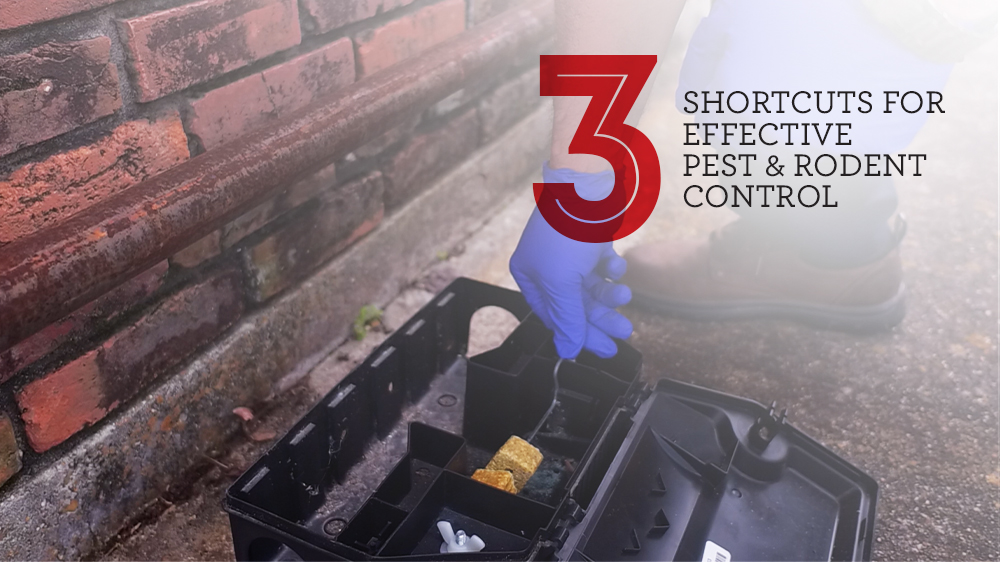
3 Shortcuts For Effective Pest & Rodent Control

3 SHORTCUTS FOR EFFECTIVE PEST & RODENT CONTROL | The Bug Man

Rodent Control Made Easy for Your Home or Business

Keeping critters like raccoons, mice, squirrels, nutria, opossums, snakes, and birds out of your home or office is easier than you might think—with professional rodent control and wildlife management services on your side.

Uncovering a pest or rodent infestation is just the beginning.

If you’ve ever heard, seen or smelled the traces of pointy claws, sharp teeth or sneaky slitherers in your home or business, you can certainly be left with an uneasy feeling. While you may be tempted to buckle down and attack the situation yourself, for your protection, it’s best to leave the dirty work to the professionals. With many different methods and resources available, our team is equipped with Louisiana Department of Agriculture-licensed trappers for safe and powerful pest, rodent and animal control and removal services.

Sometimes, even after an infestation is removed, a stench can linger behind.

After you’ve tackled your first battle (the actual pest or rodent) there may be another one that quickly surfaces – an extremely unpleasant smell. A smell that candles, air fresheners and essential oils simply can’t mask. The only completely long-lasting solution is a commercial-grade odor eliminator. We offer one that is safe, effective and can tackle up to 40,000 cubic feet at a time. Because it works without the use of harmful chemicals, you don’t even need to leave your home or business for it to start working its magic.

The most effective way to get rid of unwanted pests? Don’t let them in!

The best defense is always a good offense, even when it comes to pests and rodents. This means identifying, sealing and securing any potential entry points, including garbage chutes, drains, vents and foundation cracks around your house or business before unwanted guests can make themselves at home. CDC guidelines on rodent control
provide helpful tips for reducing the risk of rodent-borne illnesses. If you want to be sure all of your bases are covered, we recommend enlisting the help of licensed professionals. Our exclusion services offer a preventative barrier to keep you safe, comfortable and nuisance-free year-round.

At The Bug Man, we get ‘em when you can’t. Contact us today to learn more about our pest-free guarantee. 


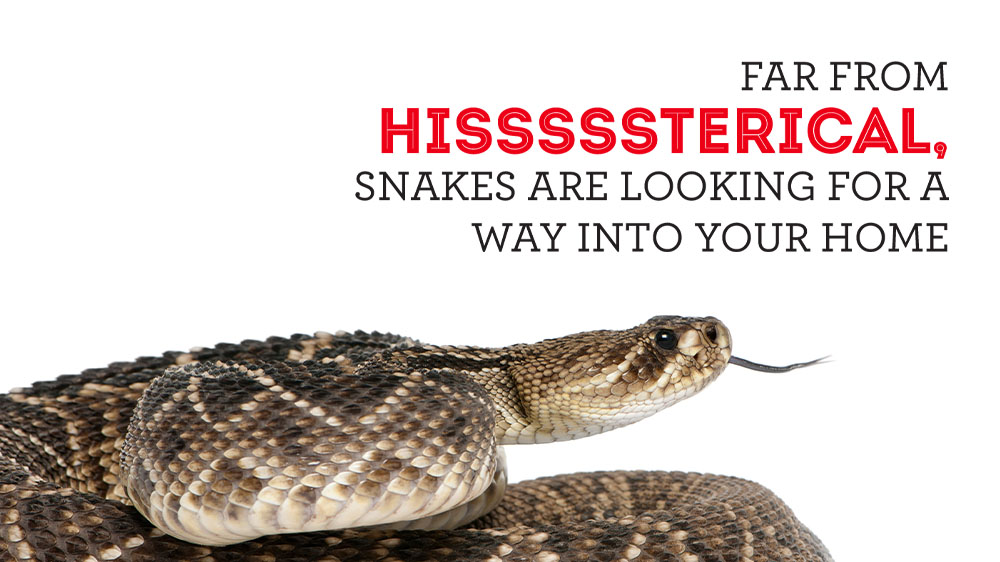
Far from hisssssterical, snakes are looking for a way into your home

Snakes Are Looking For a Way Into Your Home - The Bug Man

Whether you’ve lived in Louisiana your entire life or lived here a few short months, it should come as no surprise that snakes are a part of life down here. With all the wetlands, ponds, marshes and swamps, snakes love the deep south. 

That may sound as if that is where they’re going to stay, but when the weather gets colder and they get chilly, they look for a place to hibernate. Spoiler alert – a great deal of the time, they want to hibernate in your home. 

They pose a significant risk to your children, family, pets and guests for a few reasons. There are several poisonous snakes that exist here that can create a hazard, and over 85% of snakes carry salmonella in some form. For more information on health risks associated with snakes and other reptiles, see the CDC information on reptiles and salmonella
. Before you say “disgusting” and move on—wait one more minute. There are a few things you need to know.

Because they are a cold-blooded species, their bodies don’t keep warm due to blood flow the way mammal bodies do. Snakes thrive and stay alive by absorbing external temperature. So when it starts to get too cool outside, they need a warm place to live. Places like:

  • Attics 
  • Water pipes
  • Walls
  • Crawl spaces
  • Basements
  • Drop ceilings (yikes)
  • Laundry rooms
  • Bathrooms
  • Closets 

Don’t Panic: How to Keep Snakes Out

The best way to prevent snakes from getting in is to seal up any potential area they may be able to slither through. They don’t need ample space at all, and a simple crack or tiny hole may be all they need to make your home their new home. If you need help identifying those areas, The Bug Man can help

If a snake does happen to make its way in, it’s not the best idea to attempt to remove it yourself. As stated earlier, some snakes can be deadly or can get you sick. In addition, simply removing it and putting it outside will not prevent it or others from making their way back into your home.

Our advice is to give The Bug Man a call to answer all of your snake questions or schedule an appointment. We’ll take care of them, so you don’t have to.

What’s that rancid smell?

What’s that rancid smell?

Rancid Smell? Don’t Just Mask It—Eliminate the Source

If you notice a rancid smell lingering persistently indoors in your home or business, it’s often a sign that rodents or other animals have passed away nearby. Masking the odor with sprays or candles won’t work. The key to solving the problem is eliminating the source with a non-toxic solution safe for restaurants, offices, homes, medical facilities, and more.

Sometimes, a rancid smell may come from areas you can’t see, like inside walls or crawl spaces. A large fly infestation, especially flesh flies, is another sign that an animal may have died. Common culprits include mice, rats, squirrels, opossums, and raccoons. Left unchecked, the odor can quickly affect your family’s well-being or disrupt your business operations.

How Long Does a Rancid Smell Last?

The scent from a dead animal can persist from a day or two up to a month or more. Nobody wants to live or work in this. At The Bug Man, we use professional equipment to eliminate rancid smells caused by dead animals, smoke, or fire. Our Odor Neutralizer is safe, effective, and works without evacuating your home or business.

For more information about health risks associated with dead animals, check out the CDC guide on rodent control and sanitation.

Preventing Rancid Smells in the Future

The best way to avoid rancid smells is proactive pest and rodent control. Ensuring your property is free of pests and regularly inspecting hidden areas like attics, crawl spaces, and walls can prevent future stench issues. Licensed professionals can also help seal entry points and maintain a pest-free environment.

If you notice a rancid smell in your home or business, call The Bug Man at 225-923-2847 or contact us here. We’ll handle the source and the odor so you don’t have to.

Do I Need to Worry About Rodents Around My Home or Business?

Rodent infestation in home or business

Now that the weather is beginning to get cooler, signs of a rodent infestation may appear as rodents search for a warm place to stay. These pests are nothing to scoff at – they can carry diseases, and their fur, saliva, and waste can taint your food.

That’s not all; rodents are also hosts for fleas, spreading diseases like the lymphocytic choriomeningitis virus. And if you or someone you know has a weakened immune system, chances are they or you may begin to experience headaches, fever and meningitis. Rodents can carry diseases and contaminate food. For more information on preventing a rodent infestation, see the CDC guide on rodent control.

How long do rodents live?

If they are in welcoming conditions, such as your home, garage or attic, mice and rats can live up to one year. If they’re in their natural habitat, they usually live up to around 4-6 months. While a couple of unwelcome guests may not seem so bad for a short amount of time, consider this – A house mouse can have an average of 8 litters per year with an average of 6 babies per litter. That’s 48 mice per year per rodent! Think if you had multiple in your home!

How do rodent infestations start?

If you’re wondering what one of the most adaptable animals is on the planet, look no further than the common rodent. If not addressed early, infestations can cause quite a bit of damage to buildings and agriculture and can transmit diseases to humans. Mice enter homes or businesses through cracks and holes found in the floors, walls and foundations. Mice can also enter the home through gaps in the windows as well as sewer lines. Homeowners don’t typically recognize mouse holes until other signs of infestation appear.

Preventing a Rodent Infestation: Tips and Strategies

All cracks, openings, and holes need to be sealed with cement or metal to prevent mice from entering the home. All of your doors and windows need to close correctly and you need to store your food in glass or metal containers. Make sure the lids can seal tightly, and never leave food out. But if you do, you should give The Bug Man a call. Our professionals have over 40 years of experience helping families and businesses eliminate these pests. Don’t let another day go without protecting your friends and family.

How The Seasons Affect Pest Behavior

seasonal pest control home maintenance

Seasonal pest control is essential for protecting your home year-round. Pests are always looking for a warm, safe place to find shelter and food, often inside our homes. Each season brings unique pest threats, and understanding seasonal pest patterns helps you take proper precautions to keep your home pest-free. For more information on the health risks pests can pose, see guidance from the EPA.

Seasonal Pest Control

SPRING – Insects Are Awakening And Mating Begins

The flowers are blooming and the temperatures are warming. Spring is a magical time of year. However, with this mix of warmth and moisture, pests emerge from their winter nesting area. Termites may swarm and bees and wasps are roused from their dormant state and with the spring rains, ants may try to find higher ground and look to get indoors. Most pests will move outdoors in spring to find mates.

SUMMER – Outdoor Fun And Backyard Pests

Everyone wants to get outside and enjoy all that summer has to offer, but pests may put a damper on that BBQ you were planning on. While we don’t see as many indoor pests during the summer, we see a larger amount of pests outdoors. Bees, wasps, and other stinging insects are more active and their nests are often found on or near our homes. And let’s not forget what the spring and summer rains bring – mosquitos. It takes a little effort to deter these nuisances, but putting in a bit of effort can undoubtedly increase the number of good times you can have outdoors.

FALL – A Little Home Maintenance And A Shelter

There’s a chill in the air and guess who’s looking for a place to prepare for winter? You guessed it – pests. Boxelders, ladybugs and spiders are coming into your home. They love cracks and crevices. What about more significant pests like mice and rats? They too are looking for food and shelter. Fall is the season to pull up your sleeves and do a little home maintenance. Make sure those cracks, crevices, holes and gaps in your siding, foundations, floors, attics, and garages are sealed to keep them out. 

WINTER – Hibernation And Survival

Winter is a time of hibernation and survival for pests. Now that it’s colder the weather triggers a need for pests to find shelter. Some seek refuge outdoors, but others will be looking to shelter indoors. Wasps and bees will look for places in logs, or the eaves of your home and ants will look to seek shelter in their nesting sites. Other pests like mice and rats are not tolerant of the winter months and often look for shelter in homes. The best time to prepare to keep these pests out and away from your home is in fall. 

Seasonal Pest Control Services from The Bug Man

Being prepared for seasonal insect patterns is important. It’s not always easy to completely control or deter insects and pests on your own; that’s why you have The Bug Man. To make sure all insect infestation signs or pest inhabitation are appropriately addressed, give us a call or text us at 225-923-2847. Request an estimate today. 

How To Best Prepare for Summer Pests

How to Prepare For Summer Pests

Summer is in full swing in Louisiana and the temperatures are starting to heat up. This time of the year brings vacations, pool parties, backyard barbeques and, unfortunately, lots of bugs. From termites and mosquitoes to ants and cockroaches, it seems like these insects enjoy the summer just as much as we do! 

See, bugs thrive in warm weather because they are unable to generate their own body heat. They rely on the warmth of the sun’s rays to survive. If you’ve recently seen swarms of mosquitoes or ant piles the size of castles forming in your yard, we’ve got you covered. Here are some tips on how to best prepare for these pesky summer pests:

Clean Outside Your Home

Bugs love making their homes in cluttered areas. Start cleaning your yard by getting rid of piles of leaves and brush. Try to maintain your yard regularly to avoid overgrowth along fences and in flower beds near windows and doors. Additionally, be on the lookout for places where water can pool for long periods. This can include bird feeders, flower pots, buckets, and much more. This is where mosquitoes thrive and like to breed.

Clean Up The Kitchen

The main reason why bugs are in your house in the first place is because they’re on the hunt for a food source. Even the smallest pile of crumbs on the counter or floor is a treat for ants and other insects. Cleaning your kitchen is a must if you want to prevent these pests from invading your home. Make sure you are wiping your counters and sweeping the floor daily. Many people at this time clean out cupboards and get rid of things in their pantry. You’d be surprised to see what kind of bugs are hiding out in there; munching on your Cheerios crumbs and open bags of chips. Cleaning your pantry is also a good excuse to get rid of that spoiled chicken noodle soup from 2010.

Protect Your Trash

Both indoors and outdoors, your trash should have a tight lid. Roaches and ants reach heaven whenever they get the chance to dig through your garbage for food. Get to know your city’s garbage collection schedule, and take your trash out regularly. If you don’t, it’ll linger as a ready food source for pests.


Rather than wait for an unwanted infestation to occur, take it upon yourself to protect your family and your home. Although these are prevention tips to get pests away from your home, these won’t get rid of pests completely. If you are concerned about a pest problem in or around your home, consider calling a pest management professional. The Bug Man provides many pest control services for mosquitoes, termites, bed bugs, and much more! For a customized solution for your household, contact The Bug Man or give us a call at (225) 923-2847

Law of Attraction Pest Edition

Pest control law of attraction

You surely know that leaving food lying around is a great way to attract pests, you might be surprised by all of the things that can encourage insects and rodents to your home. Check out these five common things that make you simply irresistible(to pests). Follow these tips to help eliminate critters from your home.

1.Clutter

Even if your piles of items don’t contain food, they still are attractive to pests. Rodents and insects love burrowing and hiding in piles of newspapers and other clutter, so try to keep your home free of these items. Not only will you be able to get rid of pests, but you can also keep your home much neater and more organized.

2.Cracks

Although you may have already sealed the doors and windows, there might be other cracks in and around your home that make it easy for bugs and other small pests to get into the house. Make sure that you seal any cracks in your home’s foundation and walls, and take the time to check around appliance vents, utility lines and plumbing to fill any small holes. The Bug Man offers solutions to repair and correct these conditions.

3.Moisture in the Home

Bugs and Critters LOVE moisture. Make sure to check your plumbing to make sure you don’t have any leaks. Any water in your home should be dealt with as soon as possible to discourage pests and prevent property damage.

4.Damaged Screens

Little imperfections and tiny holes in your window and door screens might not seem like a big deal, but many insects can crawl their way through surprisingly tiny holes. Don’t give them that chance. If your screens have holes, replace them right away.

5.Your Neighbors Are attracting the Critters

If you investigated the above, have sealed every crack in your house and have put forth other concentrated pest control efforts, there’s a good chance that pests are finding their way to your neighborhood and home because of your neighbors nearby. It’s probably a good idea to talk to your neighbors about your pest control issues. Approach the conversation lightly for best results. Also, consider having a pest control company spray the perimeter of your property to help keep insects and other pests at bay.

If you think that you may have a pest issue or if you would like inspection, I know a guy. The Bug Man offers some of the most comprehensive pest treatment options in the region. Give us a call to make an appointment for a trained technician to visit your home. For more information, please call 923.BUGS or visit our website and request an estimate.

We offer worry free pest control solutions so you can rest easy knowing that your family, pets, home, and property are in good hands. We hope you enjoyed reading our blog. Until Next time! Remember, if you suspect you are having an issue, call The Bug Man and keep your peace of mind intact. You’ve got our Bug Man Guarantee! Thanks for checking out our blog.
See you soon!!!
* The Bug Lady, Layne Salvant

STAY CONNECTED